What Is the Hidden Meaning of Mirrors? Symbolism, Superstitions, and Psychology
Mirror Placement & Meaning Analyzer
Configuration
Analysis Result
Result description goes here.
Superstition & Lore
Lore details...
Psychology & Science
Science details...
Recommendation
Advice goes here.
Select your mirror configuration to reveal its hidden meaning.
Have you ever caught your reflection in a shop window and felt a sudden chill? Or maybe you’ve heard someone say that breaking a mirror brings seven years of bad luck. We look into mirrors are glass surfaces coated with reflective material that show our image every single day. They are practical tools for grooming, checking our appearance, and navigating space. But beyond their utility, mirrors carry a heavy weight of hidden meaning. For thousands of years, humans have viewed them as portals to other worlds, symbols of truth, or even traps for the soul.
Why do we trust what we see in the glass so much? And why does the idea of a broken mirror still make us uneasy? The answer lies in a mix of ancient mythology, psychological science, and cultural superstition. Let’s pull back the curtain on what these reflections really mean.
The Soul Trap: Ancient Beliefs About Reflections
To understand the hidden meaning of mirrors, we have to go back to a time before silvered glass. Early mirrors were made from polished obsidian, copper, or bronze. They were rare, expensive, and often reserved for priests or royalty. Because they were precious, people believed they held power.
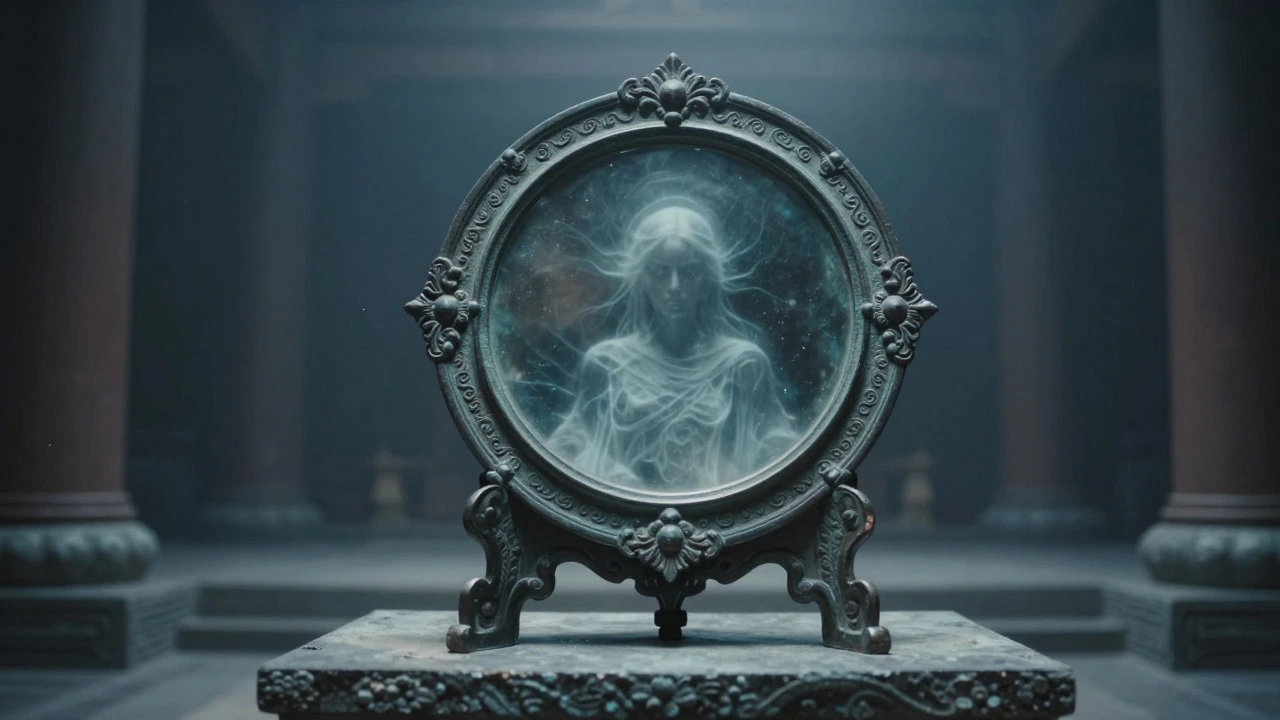
In many ancient cultures, including those of the Greeks, Romans, and Egyptians, it was believed that a person’s soul could be captured in their reflection. This isn’t just a vague idea; it was a core part of how people understood life and death. If you broke a mirror, you weren’t just breaking glass-you were damaging a piece of your spirit. That is where the "seven years of bad luck" myth comes from. It wasn’t about the object itself, but about the injury to the self.
This belief explains some strange historical customs. In Victorian England, when someone died, all the mirrors in the house were covered with black cloth. Why? To prevent the wandering soul from getting trapped in the glass instead of moving on to the afterlife. Similarly, in traditional Chinese culture, mirrors were placed over coffins to guide the spirit upward. These practices show that mirrors were never just decorative items. They were seen as active participants in the spiritual world.
Psychology: The Mirror Self and Identity
Move forward to modern times, and the magic fades, but the mystery remains. Psychologists study mirrors not as soul traps, but as tools for identity formation. Have you ever heard of the "Mirror Test"? It’s a simple experiment used to determine if an animal (or a human child) has self-awareness. If a monkey sees a red dot on its forehead in a mirror and tries to wipe it off its own face, it understands that the reflection is itself.
For humans, this realization happens around 18 months old. Before that, babies think the baby in the mirror is another friend. Once they realize it’s them, everything changes. This moment is crucial for developing ego and self-concept. Without mirrors, would we know who we are?
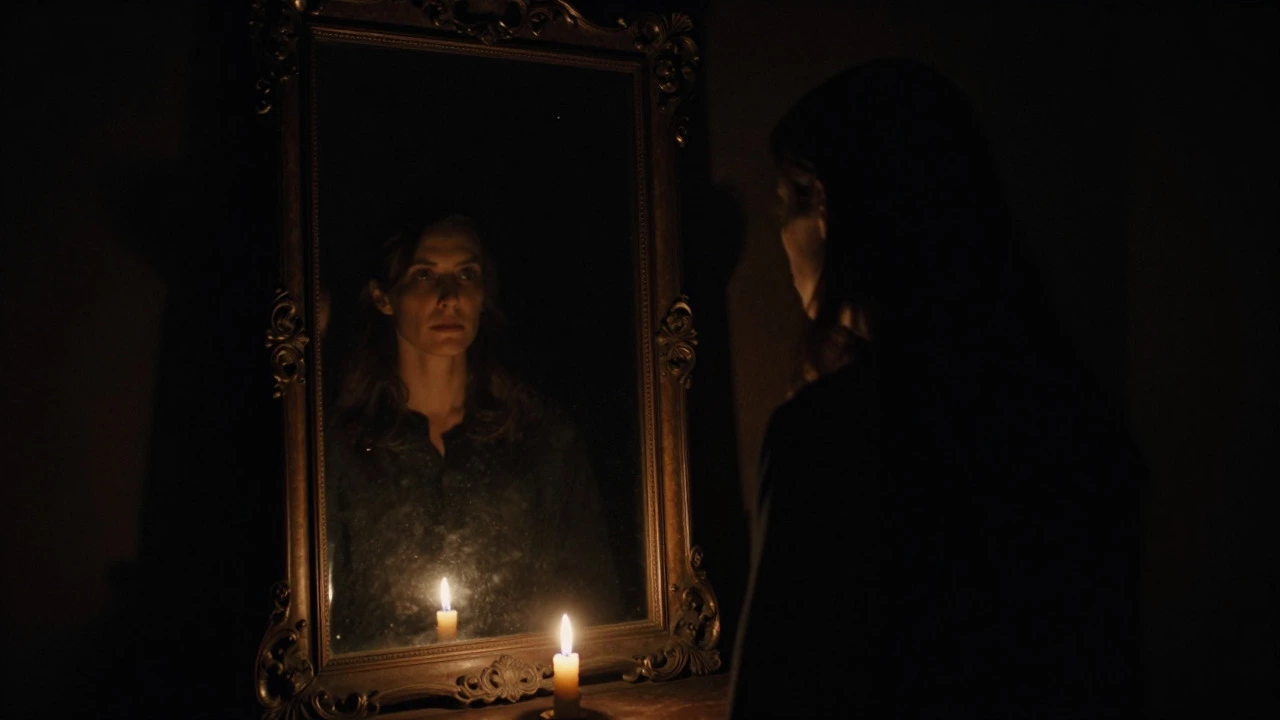
There’s also a creepy phenomenon called Troxler’s Fading is a visual illusion where staring at a fixed point causes peripheral details to disappear. If you stare into a darkened mirror for several minutes, your brain starts to fill in the blanks. Your reflection might distort, age, or change expression entirely. Some people report seeing strangers or monsters. This isn’t supernatural; it’s your brain playing tricks on you due to sensory deprivation. Yet, this effect feeds directly into horror movies and ghost stories, reinforcing the idea that mirrors can show us things that aren’t there.
Mirrors in Mythology and Literature
If you grew up reading fairy tales, you already know that mirrors are rarely neutral. In "Snow White," the Evil Queen asks her mirror, "Who is the fairest of them all?" Here, the mirror represents absolute truth. It doesn’t lie, which makes it dangerous. The Queen hates the mirror because it speaks facts she can’t control.
In Greek mythology, Narcissus was a hunter known for his beauty who fell in love with his own reflection. He saw himself in a pool of water (a natural mirror) and became so obsessed that he wasted away, turning into a flower. This story warns against vanity and self-obsession. It suggests that looking too closely at yourself can destroy you.
Then there’s the concept of the "Dark Mirror." In literature, this often refers to a parallel version of reality. Think of the wardrobe in "The Lion, the Witch and the Wardrobe" or the looking-glass in Lewis Carroll’s "Through the Looking-Glass." These mirrors act as doorways. They suggest that there is another side to existence, one that is inverted or darker than our own. This idea persists today in sci-fi and fantasy, where mirrors often serve as portals between dimensions.
Feng Shui and Energy Flow
In interior design, especially within the practice of Feng Shui is an ancient Chinese philosophical system of harmonizing people with their surrounding environment, mirrors are powerful energy manipulators. They don’t just reflect light; they reflect Chi (energy). Placing a mirror correctly can double the good energy in a room. Placing it incorrectly can bounce bad energy right back at you.
Here are some common Feng Shui rules for mirrors:
- Don’t place a mirror directly facing the bed. It’s believed to cause restlessness and disrupt sleep because the energy is constantly bouncing around.
- Avoid mirrors opposite the front door. This setup pushes the incoming positive energy straight back out, preventing prosperity from entering the home.
- Use mirrors to expand small spaces. A mirror on a narrow hallway wall creates the illusion of width and allows light to travel further, improving the flow of Chi.
These guidelines aren’t just about aesthetics. They’re about creating a balanced environment. When you walk into a room with a poorly placed mirror, you might feel unsettled without knowing why. That’s the hidden influence of spatial energy.
Cultural Superstitions Around the World
While the West worries about broken glass, other cultures have different fears. In Jewish tradition, no mirrors are allowed in the mourning room during Shiva (the seven-day period after a death). Why? Because focusing on your appearance is considered disrespectful to the deceased. It’s a reminder to look inward, not outward.
In Hindu culture, sleeping under a mirror is considered inauspicious. It’s thought to attract negative spirits or cause health issues. Many Indian households cover mirrors at night for this reason.
Even in modern pop culture, mirrors hold sway. Vampires don’t cast reflections. Why? Because they lack souls. This trope reinforces the ancient link between reflection and spirituality. If you don’t have a soul, you don’t exist in the mirror.
| Context | Primary Meaning | Key Action/Belief |
|---|---|---|
| Ancient Mythology | Soul Container | Breakage damages the spirit |
| Psychology | Self-Awareness Tool | Mirror Test confirms identity |
| Feng Shui | Energy Amplifier | Placement affects Chi flow |
| Literature | Portal to Truth/Other Worlds | Reveals hidden realities |
How to Use Mirrors Intentionally Today
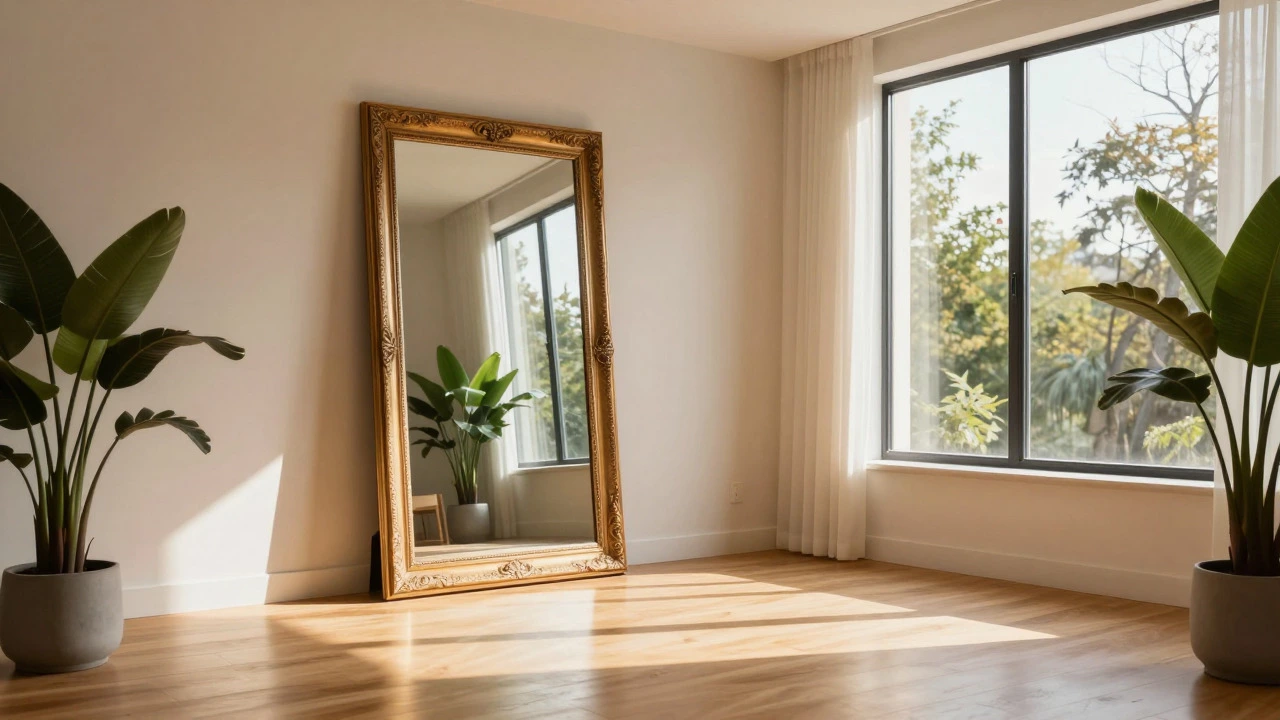
You don’t need to believe in ghosts to appreciate the power of a mirror. You can use them to improve your daily life. First, consider placement. If you want a room to feel larger and brighter, hang a large mirror opposite a window. It will double the natural light and make the space feel airy. This is a simple trick used by interior designers worldwide.
Second, think about emotional impact. Stand in front of a mirror and smile. Sounds silly, right? But studies show that smiling-even fake-can trigger genuine feelings of happiness. This is called facial feedback hypothesis. Using a mirror for positive affirmation can boost your mood instantly.
Third, be mindful of clutter. A mirror reflects everything behind it. If you hang a mirror above a messy pile of clothes, you’re doubling the chaos. Keep the area around your mirrors clean. What you see reflected should be something you enjoy looking at.
FAQ
Why do people cover mirrors when someone dies?
This tradition stems from the belief that the soul might get trapped in the reflection. Covering mirrors prevents the spirit from lingering in the physical world and helps it move on peacefully. It is common in Jewish, Christian, and some Asian cultures.
Is it bad luck to break a mirror?
Superstition says yes, specifically seven years of bad luck. This comes from the Roman belief that life renews itself every seven years, so breaking your reflection damages your health for that cycle. Scientifically, it’s just broken glass, but the anxiety it causes is real.
Where should I not put a mirror in my bedroom?
According to Feng Shui, avoid placing a mirror directly facing your bed. It can cause restless sleep and disturb the energy balance. Also, try not to place it where it reflects the door, as this may bounce away positive opportunities.
Why do vampires not have reflections?
This is a literary trope rooted in the idea that vampires lack souls. Since ancient beliefs linked reflections to the soul, a being without a soul would logically have no reflection. Bram Stoker popularized this in Dracula, cementing it in pop culture.
Can staring into a mirror cause hallucinations?
Yes, through a phenomenon called Troxler’s Fading. After staring at a fixed point in low light for several minutes, your brain fills in missing visual data, causing your reflection to distort or appear monstrous. It is a neurological effect, not a supernatural one.