What Are the 10 Essential Kitchen Tools and Their Uses?

Ever opened your kitchen drawer and felt overwhelmed by the mess? You’ve got a spatula, a whisk, a garlic press, and three different knives-but you’re not sure which one actually does what. You’re not alone. Most people own way more kitchen tools than they use, and even more don’t know how to use them properly. The truth is, you don’t need a hundred gadgets. You need ten tools that actually work. Here’s what you really need, what they’re for, and why skipping any of them makes cooking harder than it should be.
1. Chef’s Knife
A good chef’s knife is the only tool you’ll use in every single meal you prepare. It’s not just for chopping vegetables-it’s for mincing garlic, slicing meat, dicing onions, and even breaking down a whole chicken. Look for one with a blade between 8 and 10 inches, balanced weight, and a comfortable grip. I’ve used the same 8-inch Wüsthof for eight years. It’s worn down at the edge, but I still sharpen it twice a year. A dull knife is dangerous. A sharp one makes prep faster and safer. If you buy only one kitchen tool, make it this one.
2. Cutting Board
You need a cutting board that doesn’t slide, doesn’t warp, and doesn’t harbor bacteria. Wood is my pick-maple or bamboo-because it’s gentle on blades and naturally antimicrobial. Plastic boards are cheaper and dishwasher-safe, but they get gouged over time, trapping food and germs. Always use one board for raw meat and another for veggies. Cross-contamination is how food poisoning starts. Keep a damp towel under your board to stop it from moving. It’s a small thing, but it stops accidents.
3. Mixing Bowls
Not just for salads. Mixing bowls are for marinating, whisking eggs, proofing dough, tossing pasta, and even storing leftovers. Get a set of three: small, medium, and large. Stainless steel is best-it’s durable, doesn’t stain, and won’t absorb smells. Glass works too, but it’s heavier and breaks easier. I use mine every day. Even if I’m just making toast, I’ll use a small bowl to mix butter and herbs. Don’t skip this. You’ll end up using your sink or a plate, and that’s messy.
4. Wooden Spoon
Why not a metal spoon? Because metal scratches nonstick pans. Why not silicone? Because it melts if you leave it near a hot burner. A wooden spoon is the only one that won’t damage your cookware, won’t melt, and won’t conduct heat. It’s perfect for stirring sauces, scraping the bottom of a pot, and folding egg whites. I’ve had mine since I moved out on my own. It’s worn smooth at the edge from years of stirring risotto. Keep it clean, oil it once a year with food-grade mineral oil, and it’ll last decades.
5. Spatula (Silicone or Heatproof)
This isn’t just for flipping pancakes. A good spatula scrapes every last bit of batter from the bowl, stirs risotto without scratching the pan, and flips fish without breaking it. Silicone is the go-to material-it’s flexible, heat-resistant up to 600°F, and safe for nonstick surfaces. Avoid cheap ones that bend too much. You want something firm enough to lift food but soft enough to not damage cookware. I’ve ruined two nonstick pans with cheap metal spatulas. Learned the hard way.

6. Measuring Cups and Spoons
Baking isn’t guesswork. If you’ve ever made cookies that turned out flat or cake that collapsed, it’s probably because you eyeballed the flour. Measuring cups and spoons give you accuracy. Get a set with both dry and liquid measures. Dry cups are for flour, sugar, oats. Liquid measuring cups have a spout and markings below the rim. Don’t use a coffee mug. Don’t use a tablespoon from your cutlery drawer. They’re not calibrated. I keep mine in a small jar next to my flour bin. I use them every time I bake-even if it’s just muffins.
7. Whisk
A whisk isn’t just for eggs. It’s for emulsifying dressings, blending gravy, whipping cream, and mixing dry ingredients. A balloon whisk with 10 wires is the most versatile. Stainless steel won’t rust, and the shape lets you get into corners. I use mine to make vinaigrettes in a jar-shake the lid, then whisk for 10 seconds to fully combine. No electric mixer needed. If you skip this, you’ll end up with lumpy sauces or flat whipped cream. It’s simple, cheap, and irreplaceable.
8. Colander
Draining pasta is obvious. But you’ll also use it to rinse beans, wash berries, drain canned tomatoes, and even cool boiled potatoes. A stainless steel colander with large holes is best. Plastic ones crack, and fine-mesh ones clog. I’ve had mine since 2018. It sits on the counter next to the sink. I use it daily. Don’t buy one with legs-those just collect gunk. A simple bowl shape that fits over your sink is all you need.
9. Can Opener
Still using a manual can opener that slips and leaves jagged edges? Upgrade to a side-cutting or electric model. Side-cutting openers leave smooth, safe rims-no sharp metal to cut your fingers. I use a manual one that costs $12. It’s been in the same drawer for five years and still works perfectly. Don’t underestimate this. Canned beans, tomatoes, tuna, and broth are staples. If your opener is broken, you’re stuck buying fresh or frozen. That’s more expensive and less convenient.
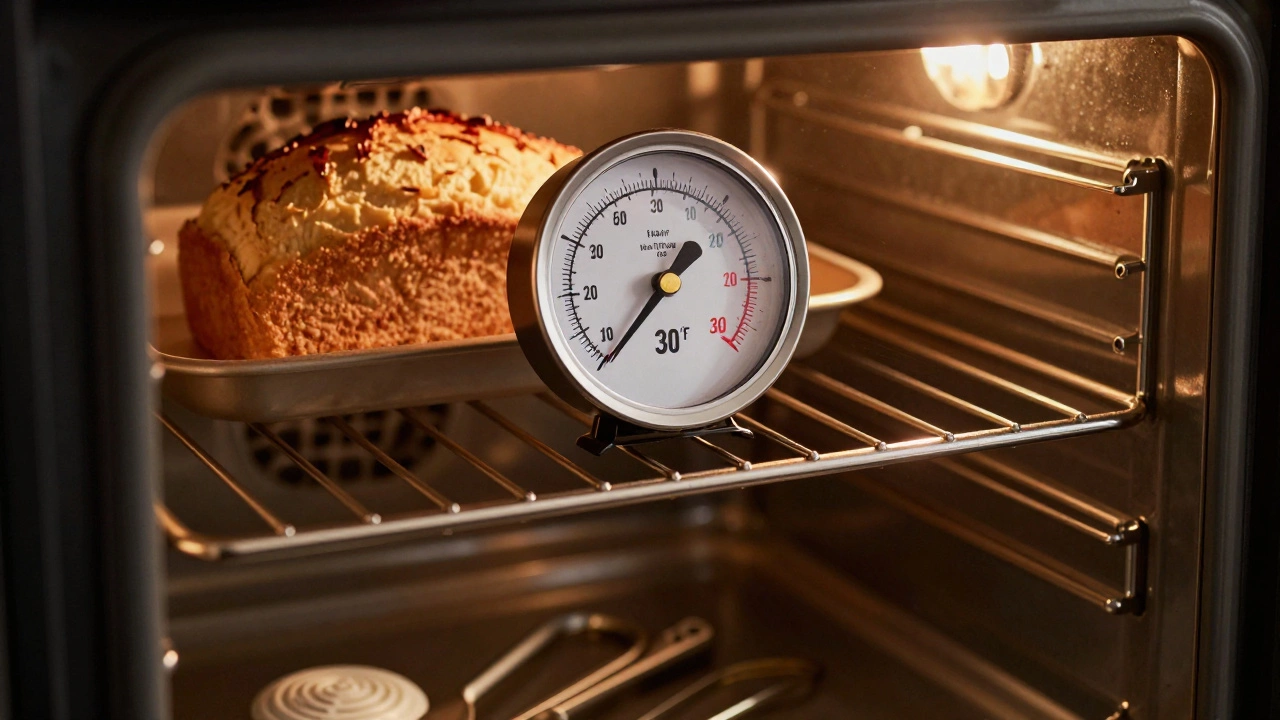
10. Oven Thermometer
Your oven’s temperature dial is probably wrong. Most ovens are off by 25-50°F. That’s why your cookies burn on the bottom or your cake takes forever to bake. An oven thermometer fixes that. Stick it on the middle rack, preheat, and check the real temp. I found mine was running 30°F too hot. My bread was always burnt on the outside, raw inside. After adjusting the dial, everything improved. You don’t need a fancy digital one. A simple analog dial costs under $10 and lasts forever.
Why These 10?
These tools cover 95% of what you’ll do in a home kitchen. You don’t need a mandoline, an avocado slicer, or a garlic peeler. You don’t need five kinds of spoons. You need tools that do multiple jobs well. The chef’s knife and cutting board handle prep. The bowls and spoons handle mixing. The whisk and spatula handle cooking. The measuring tools ensure consistency. The colander and can opener handle prep and storage. The thermometer keeps your oven honest.
When you reduce clutter, you reduce stress. When you know what each tool does, you cook faster. When you use the right tool for the job, you get better results. That’s the point.
What to Skip
Here’s what most people buy but never use: egg separators, citrus zesters, herb strippers, garlic presses, avocado slicers, and electric milk frothers. These are gimmicks. They take up space, cost money, and collect dust. A zester? Use a microplane. A garlic press? Crush with the flat side of your knife. An avocado slicer? Cut with a knife and scoop with a spoon. Save your money. Invest in quality versions of the ten tools above.
How to Maintain Them
Keep your tools working. Wash knives by hand. Don’t put wooden spoons in the dishwasher. Sharpen your knife every few months. Oil your cutting board monthly. Store spatulas and spoons where they won’t get bent. Keep your oven thermometer in a drawer with your measuring cups. Simple habits keep your tools reliable. When your tools last, you cook more.