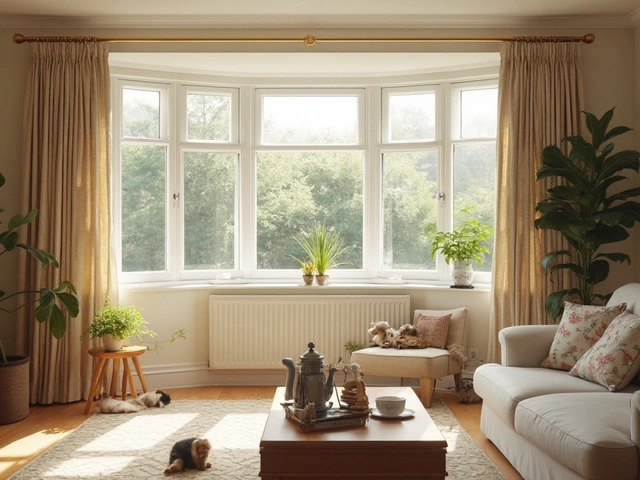
How to Relieve Anxiety in the Bathroom: A Guide to Calming Accessories
Bathroom Anxiety Trigger Assessment
Select the items below that describe your current bathroom environment or experiences. Each selection identifies a potential trigger based on sensory processing research.
For many people, the bathroom is supposed to be a sanctuary. It’s the one place where you can lock the door and shut out the noise of the world. But for those who struggle with anxiety, that same small, tiled room can feel like a trap. The echo of running water, the harsh glare of overhead lights, or even the simple act of standing on a cold floor can trigger a spike in cortisol. If you find yourself feeling overwhelmed while trying to wash your face or brush your teeth, you are not alone. The good news? You don’t need a complete renovation to fix this. By swapping out a few standard fixtures for specific bathroom accessories designed for comfort and control, you can transform your daily routine from a source of stress into a moment of genuine relief.
Why the Bathroom Triggers Anxiety
Before we look at what to buy, it helps to understand why the bathroom feels so different when you’re anxious. Unlike the living room or bedroom, bathrooms are often acoustically hard. Tile, glass, and porcelain reflect sound rather than absorbing it. This creates a high-reverb environment where every drip, flush, or footstep sounds louder than it actually is. For someone with heightened sensory sensitivity, this auditory overload can be exhausting.
Then there’s the lighting. Most homes come with bright, cool-white LED bulbs installed directly above the mirror. This setup mimics midday sun but lacks warmth, which can make skin tones look washed out and create a sterile, clinical vibe. Finally, consider the temperature. Standing barefoot on cold ceramic tiles while waiting for hot water to run is a physical shock that signals danger to your nervous system. These aren't just minor inconveniences; they are physiological triggers that keep your body in a state of low-grade alertness.
Tactile Grounding: The Power of Texture
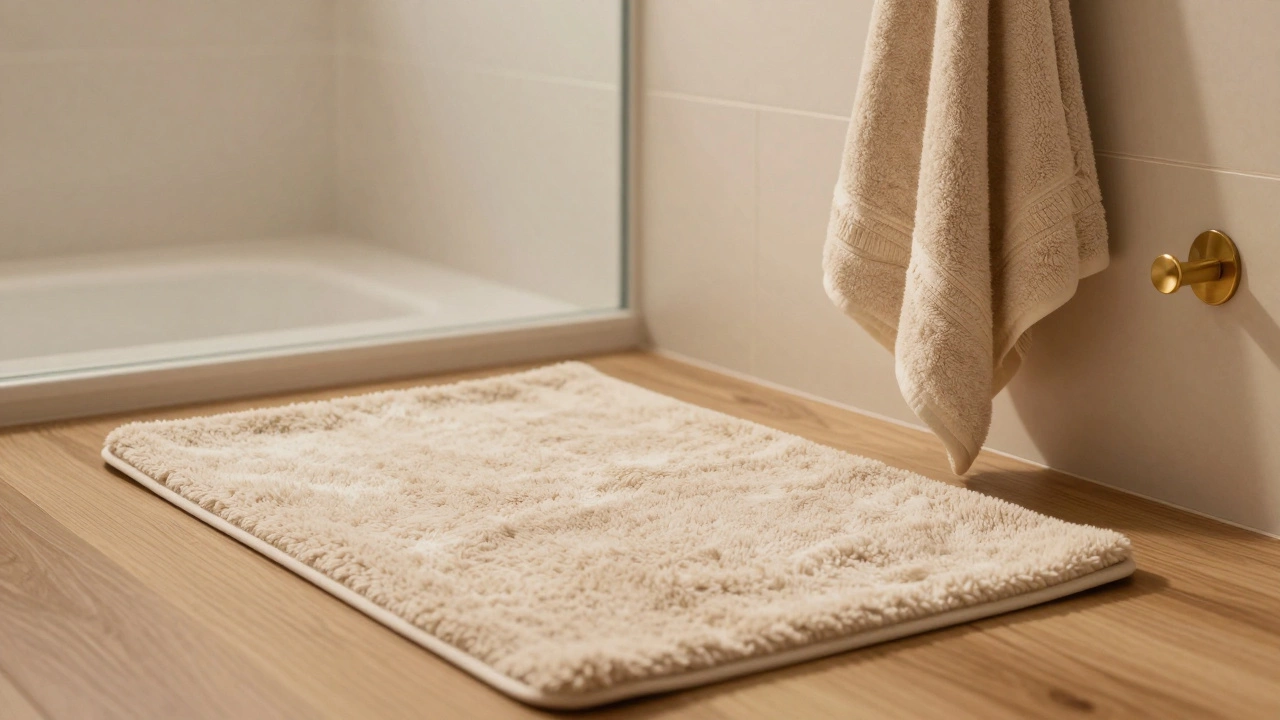
One of the most effective ways to calm an anxious mind is through tactile grounding-using touch to bring your focus back to the present moment. In the bathroom, this starts with your feet. Replace that slippery, cold tile exposure with a plush, high-pile bath mat. Look for materials like memory foam or thick cotton terry cloth. When you step onto a soft surface after a shower, the immediate contrast helps signal safety to your brain.
Consider adding textured towels as well. Standard hotel-style towels are smooth and thin, but weighted or heavily textured towels provide deeper pressure input. There is a growing trend in "weighted textiles" similar to weighted blankets. A heavy towel draped over your shoulders while you dry off can mimic the feeling of a hug, releasing oxytocin and lowering heart rate. Even something as simple as a wooden soap dispenser with a smooth, rounded edge offers a satisfying sensory experience compared to cheap plastic bottles that rattle and slide around.
| Standard Item | Anxiety-Relief Alternative | Benefit |
|---|---|---|
| Hard Plastic Organizer | Bamboo Tray | Natural texture reduces visual clutter and adds warmth |
| Cold Ceramic Shower Caddy | Silicone Mat | Provides grip and warmth underfoot, reducing slip anxiety |
| Bright White Bulb | Dimmable Warm Light | Reduces eye strain and creates a soothing atmosphere |
| Loose Cotton Towels | Weighted Towel | Deep pressure stimulation calms the nervous system |
Visual Calm: Decluttering and Color Psychology
Anxiety thrives in chaos. Visual clutter forces your eyes to constantly scan for threats or tasks, preventing your brain from resting. In the bathroom, this usually means open shelves stacked with bottles, jars, and half-used products. The solution isn't necessarily buying more storage, but rather using accessories that hide the mess. Use opaque containers instead of clear ones. A frosted glass jar or a matte ceramic bin hides the chaotic shapes of toothpaste tubes and shampoo bottles, presenting a clean, unified line to your eye.
Color plays a huge role here too. While white is classic, it can feel stark and isolating. Introduce accessories in muted earth tones-sage green, soft terracotta, or warm beige. These colors are associated with nature and stability. A simple switch from chrome fixtures (which can feel industrial) to brushed gold or matte black hardware changes the entire mood of the room. Chrome reflects light sharply, creating glare; matte finishes absorb light, making the space feel softer and more intimate.
Olfactory Anchors: Scent as a Reset Button
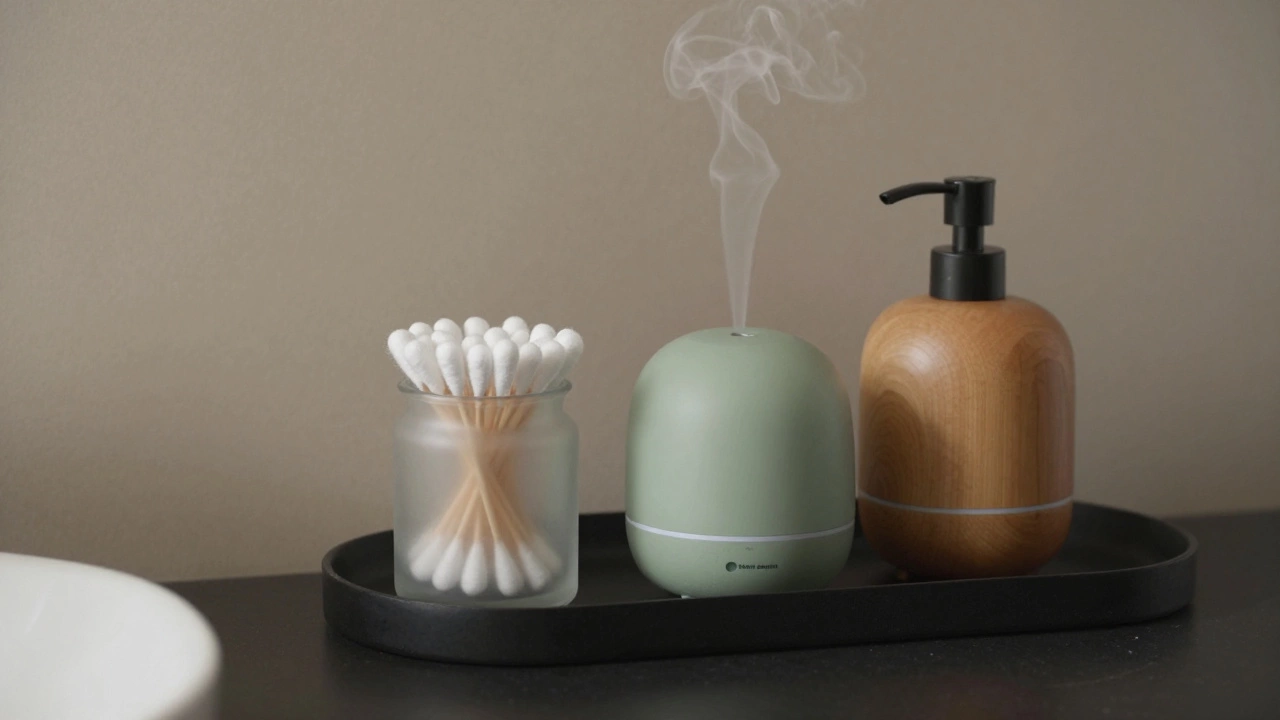
Your sense of smell is directly linked to the limbic system, the part of your brain that handles emotion and memory. This makes scent one of the fastest ways to alter your emotional state. However, most commercial bathroom sprays are cloying and artificial, which can induce headaches or nausea in sensitive individuals. Instead, opt for essential oil diffusers or natural solid perfumes.
Lavender is the gold standard for relaxation, but if you want something less cliché, try cedarwood or frankincense. These scents are grounding and woody, helping to anchor you during moments of panic. Place a small, battery-operated diffuser on your vanity. Unlike plug-in models that hum and heat up, these are silent and cool. Having a dedicated "calm scent" in the bathroom creates a Pavlovian response: over time, simply smelling that cedarwood will begin to lower your heart rate before you even finish washing your hands.
Acoustic Control: Softening the Echo
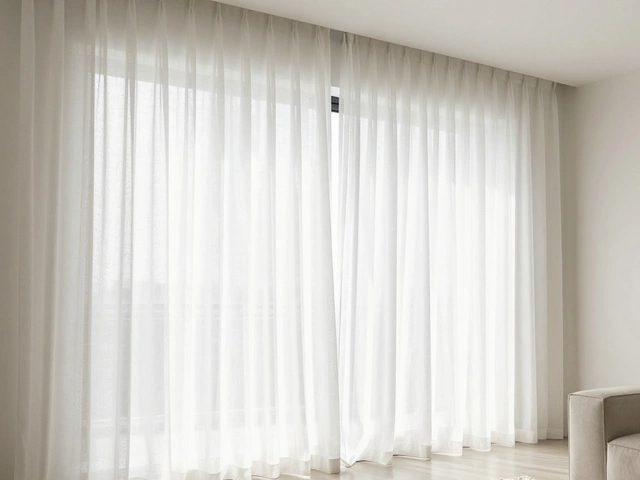
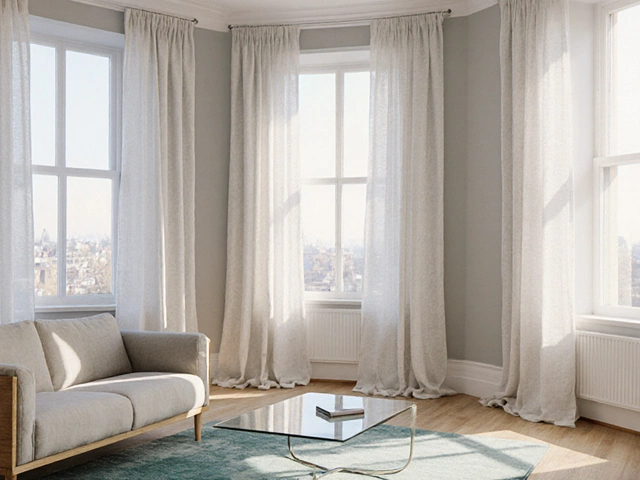
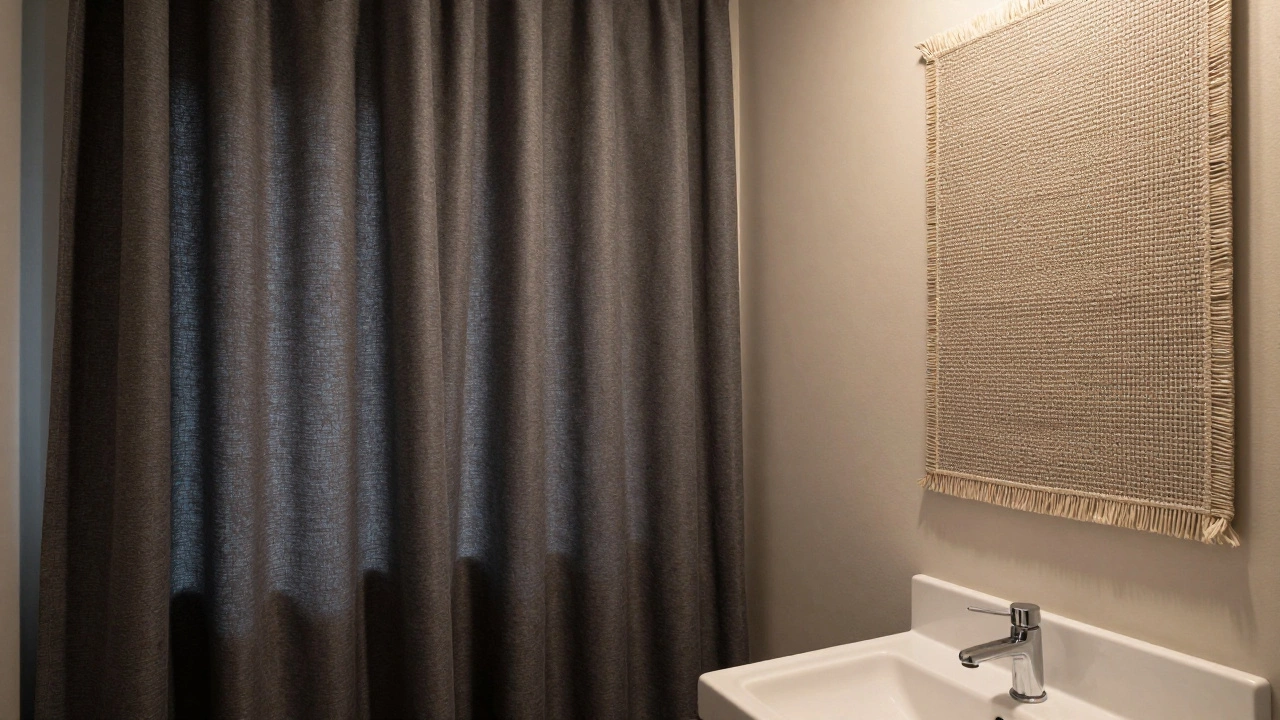
If the sound of running water or flushing toilets feels overwhelming, you need to break up the acoustic reflections. You can’t easily remove the tile, but you can add soft surfaces. Heavy curtains are a great option if you have a window. Choose blackout fabric that is thick enough to dampen sound, not just block light. If you don’t have a window, consider hanging a felt wall panel or a woven tapestry near the sink area. Felt is an excellent sound absorber and looks stylish in modern interiors.
Another subtle trick is to use rubber stoppers for your faucets. Metal taps often clank loudly when turned off. A silicone faucet cover not only prevents that sharp metallic noise but also provides a softer visual cue. For those who find the sound of dripping water torturous, ensure all aerators are clean and functioning properly. Sometimes, the anxiety comes from a subconscious awareness of a leaky fixture that needs repair. Fixing the mechanical issue removes the auditory trigger entirely.
The Ritual of Routine: Structuring Your Time
Anxiety often stems from a lack of control. Creating a structured ritual in the bathroom can restore that sense of agency. Use a timer app on your phone or a simple kitchen timer placed on the shelf. Set it for five minutes. This turns your bathroom visit into a finite, manageable event rather than an open-ended task that drags on. Knowing exactly how long you have to spend there reduces the pressure to "hurry up" or the dread of being stuck there forever.
Incorporate a "transition object." This could be a specific cup you only use for brushing your teeth, or a particular bar of soap you reserve for evening routines. When you pick up that object, it signals to your brain that it is time to slow down. This psychological cue helps separate the stressful parts of your day from the self-care portion, making the bathroom a bridge between chaos and calm.
Practical Steps to Start Today
You don’t need to overhaul your entire bathroom overnight. Start with one change that addresses your biggest pain point. If sound is the issue, buy a thick rug. If lighting is too harsh, swap the bulb for a warm-tone equivalent. If clutter is the problem, get one nice tray to organize your essentials. Small, incremental changes build confidence and allow you to test what works for your specific sensitivities without breaking the bank or causing decision fatigue.
Can changing bathroom lighting really help with anxiety?
Yes, absolutely. Harsh, cool-white light can increase alertness and eye strain, which exacerbates feelings of tension. Switching to warm-toned (2700K-3000K) dimmable bulbs creates a softer, more inviting atmosphere that signals to your brain that it is safe to relax. It reduces the "clinical" feel of the space.
What are the best scents for reducing bathroom anxiety?
Lavender is widely known for its calming properties. However, woody scents like cedarwood, sandalwood, and frankincense are also excellent for grounding. Avoid citrus or mint if you find them too stimulating. Natural essential oils are preferred over synthetic air fresheners, which can contain irritants.
How does clutter affect anxiety in small spaces?
Clutter creates visual noise that forces your brain to process unnecessary information, leading to cognitive overload. In a small space like a bathroom, this effect is amplified. Using opaque containers and trays to hide everyday items reduces visual stress and makes the room feel larger and more peaceful.
Is it expensive to make a bathroom anxiety-friendly?
Not at all. Many of the most effective changes are low-cost. Swapping a lightbulb costs a few dollars. A thick bath rug or a set of matching ceramic jars is affordable. The key is intentionality-choosing items that serve a sensory purpose rather than just looking nice.
Can I use these tips if I rent my home?
Yes, all the suggestions here are non-permanent. You can swap lightbulbs, add rugs, hang tension-rod curtains, use removable hooks for towels, and place freestanding organizers anywhere. None of these changes require drilling holes or painting walls.