Bedding Meaning: A Simple Guide to Bed Sheets, Quilts, and Sleep Gear
Bedding Layer & Material Guide
Click items to add/remove them from your bed:
Your Personalized Bedding Recommendation
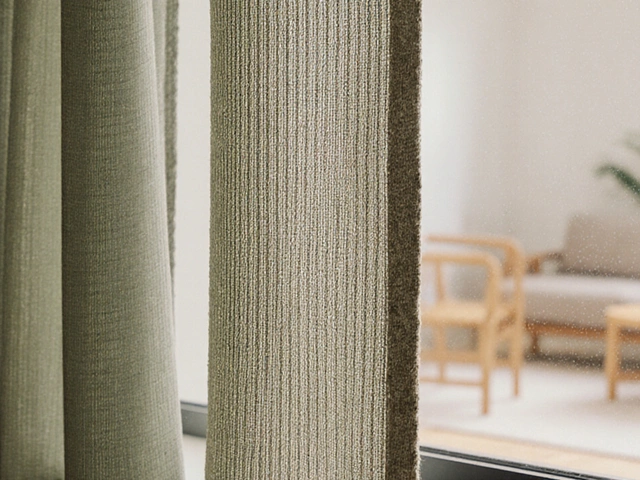
You've probably seen the word "bedding" on a store sign or in a home catalog, but if you're looking for a quick answer, it's simpler than you think. In the most basic sense, Bedding is the collective term for all the fabrics, linens, and materials used on a bed to make it comfortable for sleeping. It includes everything from the sheets that touch your skin to the heavy comforter that keeps you warm in January.
But bedding isn't just one thing. It's a system of layers. Think of it like an outfit for your mattress. You wouldn't just wear a heavy coat without a shirt underneath, right? The same logic applies here. Depending on where you live and how you sleep, your bedding setup might be a single thin sheet or a complex stack of five different fabrics.
The Core Components of Bedding
To really understand what makes up bedding, we need to break it down into the pieces you actually use. If you're shopping for a new set, you'll notice that most brands group these into "sets," but you can mix and match them to fit your needs.
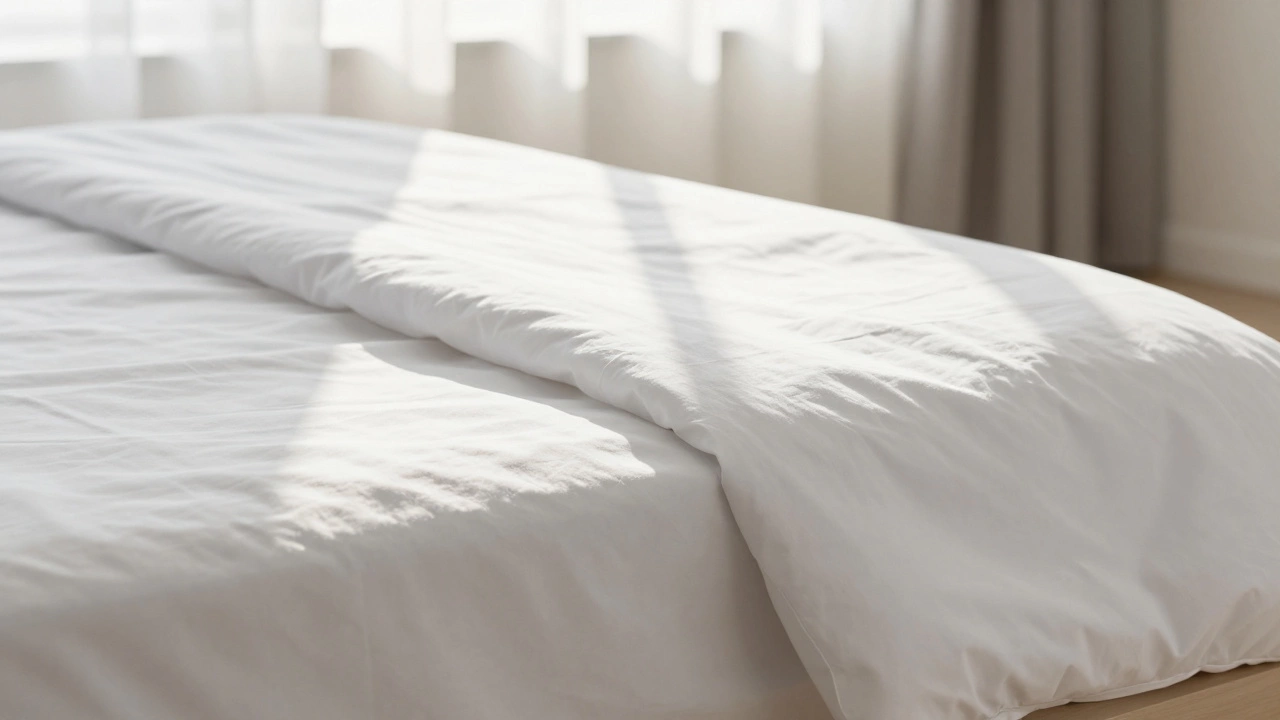
First, you have the Fitted Sheet, which is the elasticized bottom layer that hugs the mattress to protect it and provide a smooth base. On top of that goes the Flat Sheet, also called a top sheet. This is the piece that sits between you and your blanket, keeping the heavier outer layers clean from skin oils and sweat.
Then comes the warmth layer. This could be a Duvet, which is a thick, quilted blanket usually filled with down or synthetic fibers. A duvet is often paired with a Duvet Cover-essentially a giant pillowcase for your blanket-so you can wash the cover without scrubbing the heavy insert every week.
For those who prefer something lighter, a Quilt provides a more traditional, stitched feel, while a Comforter is typically a single piece of quilted fabric that doesn't require a separate cover. Finally, there are the Pillows, which provide essential neck and head support, completing the bedding ecosystem.
| Item | Primary Purpose | Common Material | Wash Frequency |
|---|---|---|---|
| Fitted Sheet | Mattress Protection | Cotton, Bamboo | Weekly |
| Flat Sheet | Skin Barrier | Percale, Sateen | Weekly |
| Duvet | Insulation/Warmth | Down, Polyester | Every 3-6 Months |
| Quilt | Lightweight Warmth | Cotton, Linen | Monthly |
| Pillowcase | Face Protection | Silk, Cotton | Weekly |
Choosing the Right Materials for Your Sleep Style
The "meaning" of bedding changes based on the material. A cotton sheet feels very different from a silk one, and that affects how you actually sleep. If you're a "hot sleeper"-someone who wakes up sweaty-you want breathable fabrics. Egyptian Cotton is highly prized because it has long fibers that create a durable, breathable weave. It allows air to circulate, preventing that trapped-heat feeling.
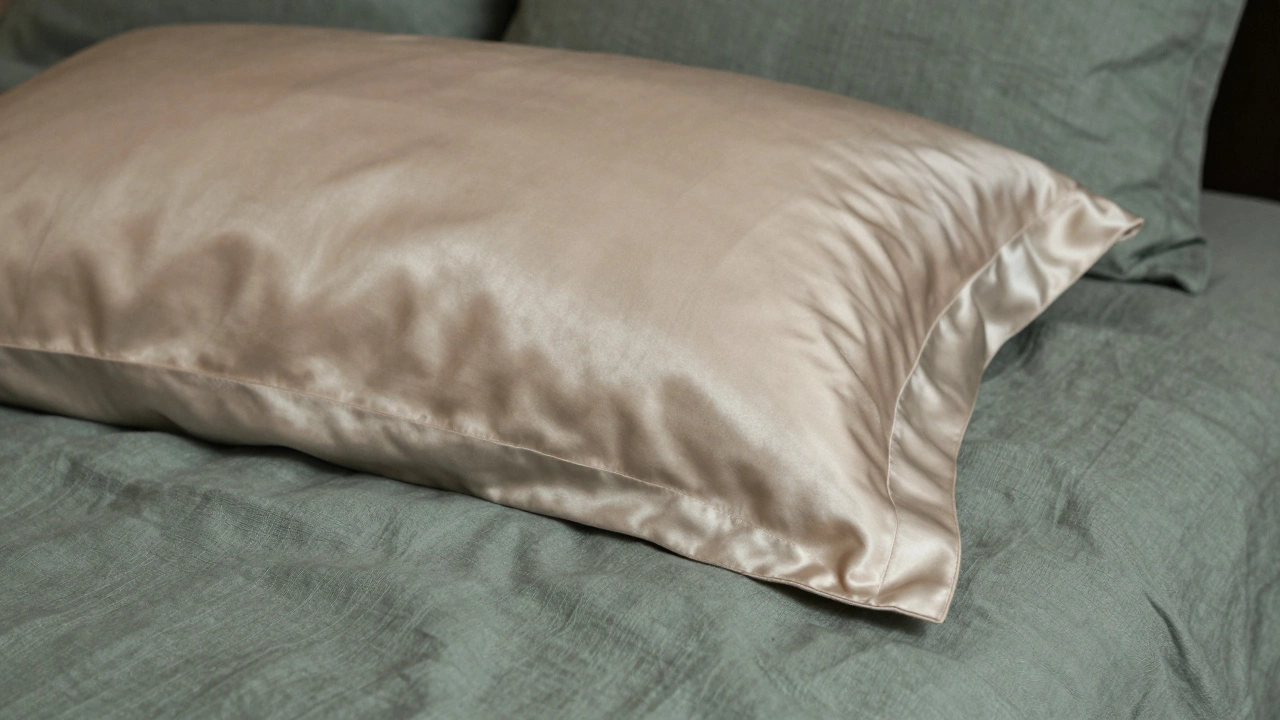
On the other hand, if you're looking for luxury and skin health, Mulberry Silk is the gold standard for pillowcases. Silk reduces friction on your skin and hair, which is why many people swear it prevents morning bedhead and sleep creases on their face. It's a specific type of bedding designed more for beauty and comfort than for heavy-duty warmth.
Then there's Linen, made from the flax plant. Linen is the powerhouse of summer bedding. It's naturally moisture-wicking and can handle a lot of wear and tear. While it starts off a bit stiff, it gets softer every time you wash it. If you live in a humid climate, linen is likely your best friend.
How to Layer Your Bed Like a Pro
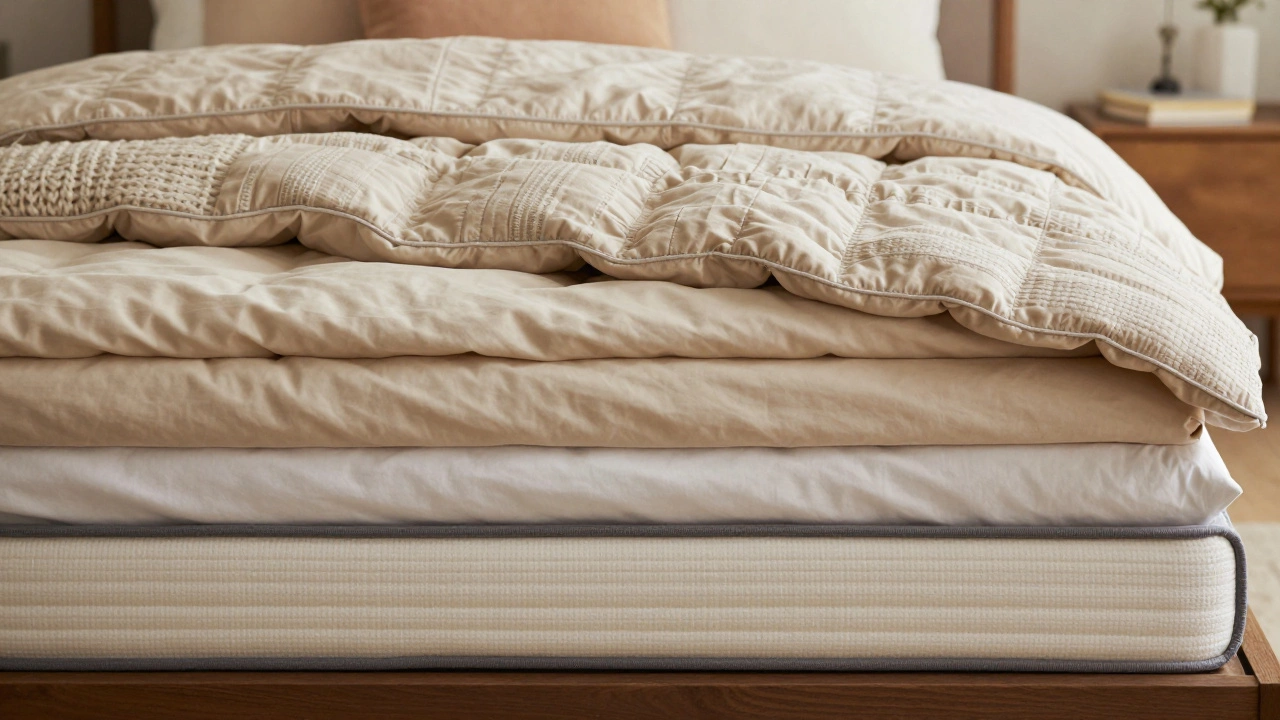
If you've ever wondered why hotel beds look so fluffy and inviting, it's all about the layering. They don't just throw a blanket on a mattress; they build a sandwich of textiles. Here is a simple way to layer your own bed for maximum comfort:
- The Base: Start with a mattress protector. While not always called bedding, it's the foundation that keeps your mattress clean.
- The First Layer: Put on your fitted sheet. Make sure it's pulled tight so you don't wake up on a wrinkled surface.
- The Second Layer: Lay down the flat sheet. If you hate top sheets, you can skip this, but it's a lifesaver for hygiene.
- The Warmth Layer: Add your duvet or comforter. This is where the bulk of your heat comes from.
- The Accent Layer: Fold a quilt or a throw blanket across the foot of the bed. This gives you an extra layer of warmth if the AC is too high and adds a pop of color to the room.
- The Finishing Touch: Pile on your sleeping pillows and a few decorative shams.
This structure doesn't just look good; it's functional. If you get too hot in the middle of the night, you can kick off the accent blanket and still be cozy. If it's freezing, you have three layers of fabric trapping your body heat.
Common Bedding Mistakes to Avoid
Not all bedding is created equal, and some common choices can actually ruin your sleep. For instance, using a heavy polyester comforter in a warm room can lead to "night sweats." Polyester is essentially plastic; it doesn't breathe. When your body heat gets trapped, it has nowhere to go, so you wake up damp. Switching to a natural fiber like cotton or bamboo can solve this immediately.
Another mistake is ignoring the "thread count" hype. You'll often see sheets claiming a 1,000-thread count as a sign of luxury. In reality, once you go past 400 or 600, the numbers are often inflated by manufacturers using thinner threads twisted together. A high thread count doesn't always mean a softer sheet; sometimes it just means a heavier, less breathable one. Focus on the material quality rather than the number on the packaging.
Lastly, don't forget to wash your bedding accessories. People remember the sheets, but pillows and duvets can collect dust mites and allergens over time. Even if you use a duvet cover, the insert itself needs a deep clean at least twice a year to keep your air quality high and your allergies low.
Does bedding include the mattress?
No, bedding refers to the linens and covers that go ON the mattress. The mattress itself is considered furniture, while the sheets, pillows, and blankets are the bedding.
What is the difference between a comforter and a duvet?
A comforter is a single quilted piece of bedding that is meant to be used as-is. A duvet is typically a plush insert that requires a separate, removable cover (the duvet cover) for protection and style.
What are the essential pieces of bedding for a new home?
At a minimum, you need a fitted sheet, a flat sheet (optional but recommended), two pillows with pillowcases, and one warm layer like a comforter or duvet. Adding a mattress protector is also highly recommended for longevity.
How often should I change my bedding?
Sheets and pillowcases should ideally be washed once a week to remove dead skin cells and oils. Duvet covers can go every two weeks, and the duvet insert should be cleaned every few months.
What is the best fabric for summer bedding?
Linen and bamboo are the best choices for summer because they are highly breathable and wick moisture away from the skin, keeping you cool when temperatures rise.
Next Steps for a Better Night's Sleep
Now that you know what bedding is and how to use it, the best thing you can do is audit your current setup. If you wake up feeling sticky, swap your polyester sheets for cotton. If your pillows are flat and no longer support your neck, it's time for an upgrade. The right bedding isn't just about how the bed looks in your bedroom-it's about how you feel when you wake up the next morning.
If you're just starting out, don't feel pressured to buy a 20-piece luxury set. Start with high-quality sheets and a versatile duvet. You can always add the decorative shams and throw blankets later as you figure out your personal style and temperature preferences.