When Should You Not Have Curtains? A Guide to Window Treatments
Window Treatment Decision Tool
Not sure if you need curtains? Answer these questions to find the best window treatment for your space.
Recommended Window Treatments
Most people assume that every window in a house needs curtains. It’s a default setting for home decor: hang some fabric, tie it back, and call it done. But what if I told you that skipping the curtains might actually make your room look better, feel bigger, and function more efficiently? There are specific scenarios where curtains do more harm than good. They can block precious light, collect dust like crazy, or simply clash with the architectural style of your home.
Before you rush out to buy another set of heavy drapes, take a step back. Sometimes, the best thing you can add to a window is nothing at all. Or perhaps, a different solution entirely. Let’s look at when you should leave those windows bare or choose an alternative.
Why do some rooms look better without curtains?
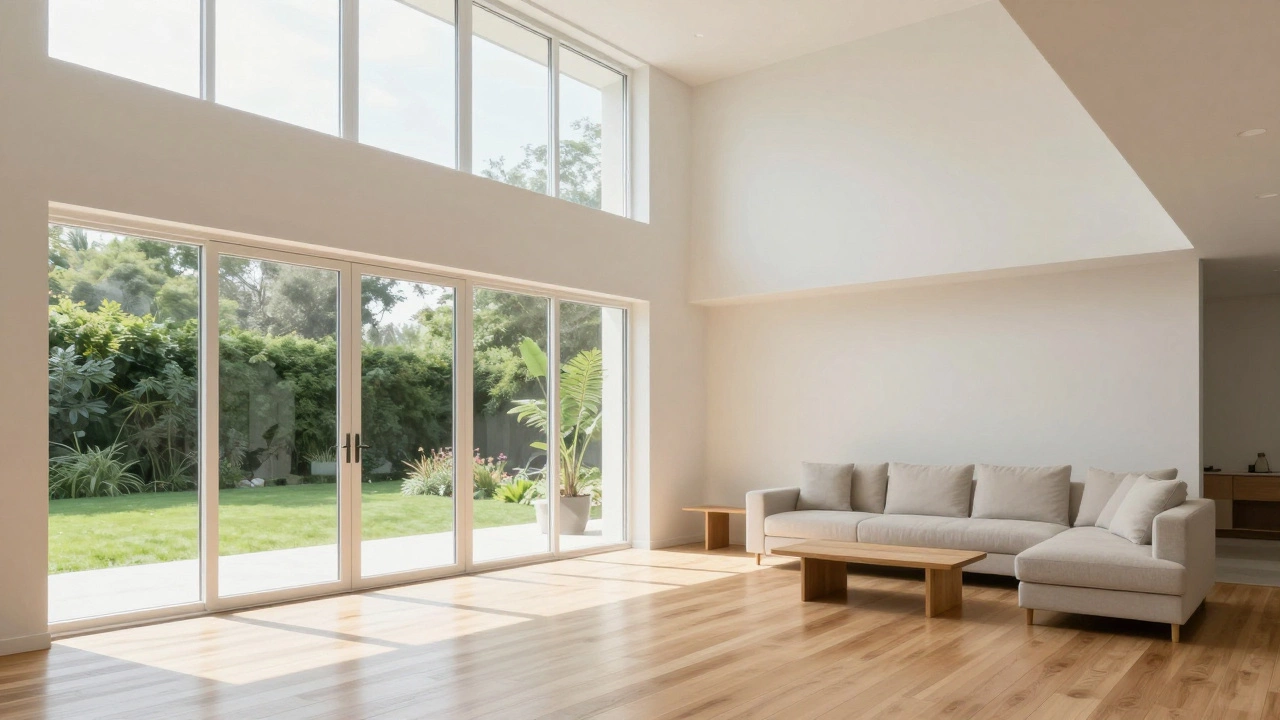
Rooms with high ceilings, large windows, or significant architectural details often look cleaner and more spacious without curtains. Fabric can visually clutter these spaces, drawing attention away from the view or the structure itself. Leaving them bare emphasizes the height and openness of the room.
Let the Light In: The Case for Bare Windows
Natural light is one of the most valuable assets in any home. If you live in a place where daylight is scarce or expensive, blocking it with thick fabric is a mistake. North-facing rooms, which receive indirect light, benefit immensely from having no barriers between the glass and the interior. Without curtains, the soft, diffused light fills the space evenly, making it feel airy and calm.
Consider a small apartment or a studio. Every square inch counts. Heavy curtains take up visual weight and physical space. By leaving the windows bare, you create an illusion of depth. The eye travels straight through the window to the outside world, making the room feel larger than it is. This is especially true if you have a nice view. Why cover a beautiful skyline or a lush garden with beige polyester?
If you’re worried about glare on your TV or computer screen, don’t reach for the curtains first. Try adjusting the angle of your furniture or using anti-glare film on the screens. These solutions are less intrusive and maintain the open feel of the room.
Architectural Details That Demand Attention
Your windows might be the stars of the show. In older homes, Victorian houses, or modern minimalist apartments, the windows themselves are often designed with intricate mullions, unique shapes, or premium hardware. Covering these features with standard rectangular curtains hides the craftsmanship.
Bay windows are a prime example. They protrude into the room, creating a nook that is perfect for reading or relaxing. Hanging traditional curtains here can be awkward. The fabric might bunch up, block the seat, or look messy against the angled walls. Instead, consider simple wooden shutters or just cleaning the glass thoroughly. The structure of the bay window adds character; let it speak for itself.
Similarly, skylights and clerestory windows (high narrow windows) are nearly impossible to dress with curtains without looking contrived. Trying to hang fabric high up on a wall looks disproportionate and draws attention to the ceiling rather than the light coming through. Leave these windows clear to maximize their function as light sources.
Privacy vs. Visibility: The Blinds Alternative
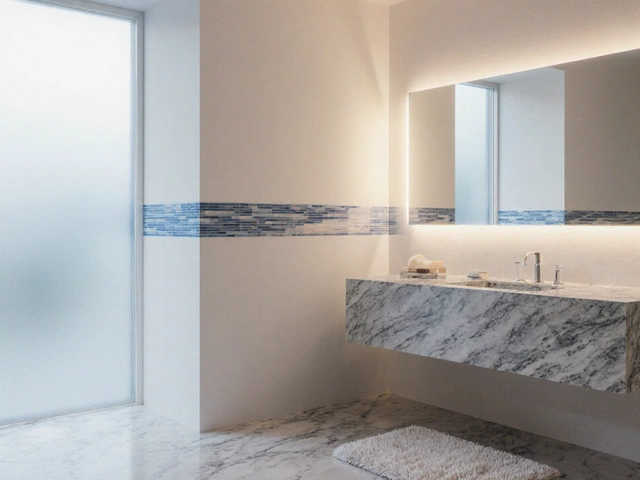
One common reason people hate bare windows is privacy. But this doesn’t mean you need curtains. It means you need the right type of window treatment. For bathrooms, kitchens, and ground-floor living areas, curtains are often impractical. They get damp, they collect grease, and they are hard to clean.
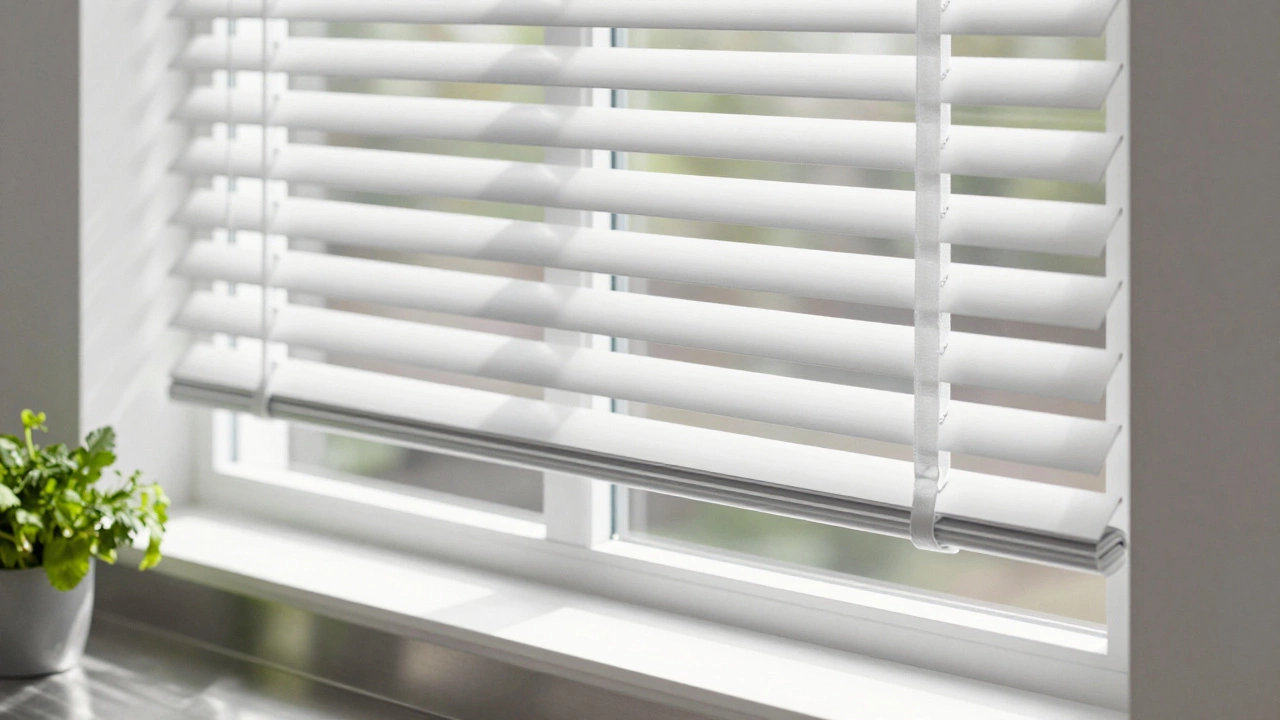
In these spaces, Blinds or Shutters are superior. Vertical blinds work well for sliding patio doors, while horizontal blinds or roller shades are perfect for kitchen windows. They offer precise control over light and privacy. You can tilt the slats to see out without being seen in. Curtains, by contrast, are all-or-nothing. You either have full privacy or none at all.
If you want a softer look than plastic blinds but still need functionality, consider cellular shades (also known as honeycomb shades). They provide insulation, block light effectively, and look sleek. They sit flush against the window frame, maintaining the clean lines of the architecture while solving the privacy issue.
The Maintenance Nightmare
Let’s talk about reality. Curtains are dust magnets. They trap allergens, pet hair, and pollen. If you suffer from allergies, having floor-length drapes in your bedroom might be triggering your symptoms. Even if you wash them regularly, the act of washing heavy fabrics is tedious. They require special detergents, careful drying to avoid shrinking, and ironing to look crisp.
In high-traffic areas like hallways or near entryways, curtains get touched constantly. Hands leave marks, oils transfer from skin to fabric, and the material frays faster. In these zones, durability matters more than aesthetics. Hardwood shutters or metal blinds withstand daily use much better than delicate linen or silk blends.
Think about your lifestyle. Do you have young children who draw on everything? Pets that jump on windowsills? If so, curtains will become stained and damaged quickly. Opting for easy-to-wipe surfaces or removable, machine-washable shades is a smarter choice for long-term maintenance.
Modern Minimalism and Clean Lines
Interior design trends shift, but minimalism has stayed strong. The core principle is "less is more." Cluttered visuals cause stress. A room with too many patterns, textures, and colors feels chaotic. Curtains add both texture and pattern. If your walls are plain white, your furniture is sleek, and your floors are polished wood, adding busy floral curtains creates unnecessary visual noise.
In a minimalist setting, bare windows reinforce the sense of order and calm. The focus remains on the quality of materials and the layout of the room. If you feel exposed without something hanging there, try painting the window trim a bold color. This frames the window beautifully without adding bulk. It highlights the architecture instead of hiding it.
This approach also works well in industrial-style lofts. Exposed brick, concrete floors, and steel beams define the look. Adding traditional curtains clashes with the raw aesthetic. Instead, use black-out roller shades that disappear into the top casing when raised. They keep the industrial vibe intact while providing darkness when needed.
Security Considerations
Surprisingly, curtains can sometimes compromise security. Thick drapes can hide intruders entering through a window. In neighborhoods where break-ins are a concern, visibility is key. Neighbors and passersby should be able to see into the ground-floor windows during the day. This natural surveillance deters potential criminals.
Leaving windows bare during daylight hours signals that the home is occupied and monitored. At night, you can use smart lighting systems that mimic occupancy, turning lights on and off automatically. This provides security without the need for permanent fabric coverings that obscure the view.
Additionally, some curtain rods are not secure enough to stop a determined intruder. While this isn't a primary defense strategy, relying on flimsy hardware gives a false sense of safety. Reinforced window locks and alarm sensors are far more effective than hoping a curtain rod holds up.

Cost and Installation Effort
Buying curtains involves more than just the fabric. You need rods, brackets, finials, and possibly professional installation if the windows are high or wide. Good quality curtains and hardware can cost hundreds of dollars per window. Over time, this adds up significantly.
If you are renting, drilling holes for heavy curtain rods might violate your lease agreement. Landlords often prefer tenants to leave the property as they found it. Bare windows or tension-rod blinds that don’t require screws are safer options for renters. They allow you to move out easily without repairing walls.
Even for homeowners, the effort to measure, cut, hem, and hang curtains is substantial. If you DIY, mistakes happen. If you hire a pro, the labor costs rise. Considering alternatives like peel-and-stick window films or pre-assembled blinds can save both money and time.
| Option | Best For | Maintenance Level | Privacy Control | Cost Estimate |
|---|---|---|---|---|
| Bare Windows | Maximizing light, views, minimalism | Low (just cleaning glass) | None | $0 |
| Curtains | Softness, sound absorption, warmth | High (washing, ironing) | Variable | $$ - $$$ |
| Blinds/Shutters | Kitchens, bathrooms, precise light control | Medium (dusting) | High | $ - $$ |
| Window Film | Privacy without losing light | Low | Medium | $ |
When to Use Alternatives Like Sheer Shades
If you decide against heavy curtains but still want some texture, sheer shades are a great middle ground. They diffuse light softly, providing a gentle glow without total blackout. They look elegant and modern, fitting seamlessly into contemporary decor. Unlike curtains, they operate smoothly on tracks and don’t bunch up.
Another option is outdoor-rated fabrics for indoor use. These are durable, stain-resistant, and easy to clean. If you must have fabric, choosing a performance material reduces the maintenance headache. Brands like Sunbrella offer textiles that withstand sun fading and moisture, making them suitable for sunny rooms or humid climates.
Remember, the goal is to enhance your living space, not complicate it. If curtains feel like a chore, ditch them. Explore the vast array of modern window treatments designed for convenience and style. Your windows are portals to the world; treat them with respect by letting them shine.
For those interested in exploring diverse lifestyle choices and connections beyond home decor, resources like this directory offer insights into social dynamics in international cities, though that is a topic quite distant from interior design.
Final Thoughts on Window Choices
Deciding whether to skip curtains is about understanding your priorities. Do you value light, ease of cleaning, or architectural integrity? If yes, bare windows or functional alternatives are likely your best bet. Don’t follow tradition blindly. Design your home to fit your life, not the other way around. Experiment with different looks. Live with bare windows for a month. See how it feels. You might find that less really is more.
Can I leave my bedroom windows bare for privacy?
If your bedroom faces a private yard or a quiet street, bare windows are fine. However, if neighbors can see directly in, consider using blackout roller shades or smart glass that turns opaque at the touch of a button. This maintains the clean look while ensuring privacy at night.
Do bare windows make a room colder?
Yes, curtains provide insulation by trapping air between the fabric and the glass. Without them, heat loss can increase. To combat this, ensure your windows are double-glazed. You can also apply thermal window film, which adds an insulating layer without the bulk of curtains.
Are bare windows safe for families with toddlers?
Safety depends on window locks, not curtains. Ensure all windows have child-proof locks that prevent them from opening more than a few inches. Bare windows eliminate the risk of cords strangling children, which is a significant hazard with traditional curtains and blinds.
How do I clean bare windows effectively?
Use a squeegee and a vinegar-water solution for streak-free results. Clean windows monthly to remove dust and smudges. Since there are no curtains to hide dirt, regular maintenance keeps the space looking fresh and inviting.
What if I want curtains later? Can I add them easily?
Absolutely. Starting with bare windows allows you to test the space. If you decide you need curtains for soundproofing or extra warmth, you can install a rod and hang them anytime. It’s easier to add fabric than to remove it after years of accumulation.