What Is the Most Disturbing Black Mirror Episode?

Social Rating Impact Calculator
How does your daily behavior affect your rating?
Based on the Black Mirror episode "Nosedive" - see how your online interactions impact your social score and real-world opportunities.
Current Score:
4.2
Your Real-World Impact
With your current score of 4.2, you can access premium housing and exclusive events. But remember: your score is only 0.3 away from losing access to public transport.
Black Mirror isn’t just science fiction. It’s a mirror held up to the worst versions of ourselves-right now, in 2026. You’ve probably seen the memes, the viral clips, the Reddit threads debating which episode keeps you up at night. But when you strip away the hype, one episode stands out not because it’s the goriest or the loudest, but because it feels like it’s already happening.
The episode that feels like a documentary
"White Christmas" is often cited. "The Entire History of You" makes you paranoid about your partner’s memories. "Hated in the Nation" turns social media outrage into a death sentence. But none of them stick like "Nosedive"-not because of the pastel colors or the fake smiles, but because it shows how deeply we’ve already bought into the lie. In "Nosedive," everyone rates everyone else on a 1-to-5 scale. Your score controls your housing, your job, your access to public transport. A 4.2 gets you a decent apartment. A 3.8? You’re stuck in a rundown unit with no upgrades. A 4.9? You’re invited to exclusive parties. It’s not dystopian. It’s Instagram, LinkedIn, and TikTok fused into one suffocating system. You’ve felt it. You’ve edited a photo for 47 minutes because the lighting wasn’t "perfect." You’ve deleted a tweet because someone might think you’re "too intense." You’ve smiled through a dinner you hated because you didn’t want to tank your social rating. That’s not performance. That’s survival. The episode doesn’t need robots or AI overlords. It just needs you to keep scrolling.Why "Nosedive" terrifies more than any monster
Most horror shows give you a monster. Black Mirror gives you the monster you’re already feeding. In "White Christmas," the AI clone of a man is trapped in a digital prison. In "Shut Up and Dance," a teenager is blackmailed into crimes by hackers. Both are horrifying. But they’re external threats. Someone else is pulling the strings. "Nosedive" is different. The system isn’t controlled by a villain. It’s controlled by you. By your neighbor. By your boss. By your cousin who just posted a vacation pic with a 5-star rating. You’re not being hunted. You’re the hunter-and the hunted. A 2025 Pew Research study found that 68% of adults under 35 adjust their behavior based on how they think others will perceive them online. That’s not a trend. That’s the Nosedive effect in real life. People now avoid speaking up at work meetings because they’re afraid of being "liked" less. They cancel plans because their social media feed looks "too empty." They buy things they don’t need just to post about them. The episode doesn’t predict the future. It documents the present.The rating system already exists
You think the 1-to-5 rating in "Nosedive" is fiction? Look at your phone. - Uber drivers rate passengers. Passengers rate drivers. Miss a 4.9 and you’re flagged. - Airbnb hosts rate guests. Guests rate hosts. A single 3-star review can cost you thousands. - LinkedIn now shows you "engagement scores" for your posts. If your content doesn’t get enough likes, you’re told to "try again with more emotional appeal." - Even dating apps like Hinge and Bumble now show "popularity scores"-based on how often people swipe right on you. In 2024, a Chinese city launched a social credit pilot program that rewarded citizens for "positive behavior"-donating blood, paying bills on time-and penalized them for "negative behavior"-jaywalking, skipping class. It wasn’t science fiction. It was real. And it was approved by local government. The difference between "Nosedive" and reality? In the episode, the system is visible. In real life, it’s hidden inside your notifications, your app icons, your algorithm.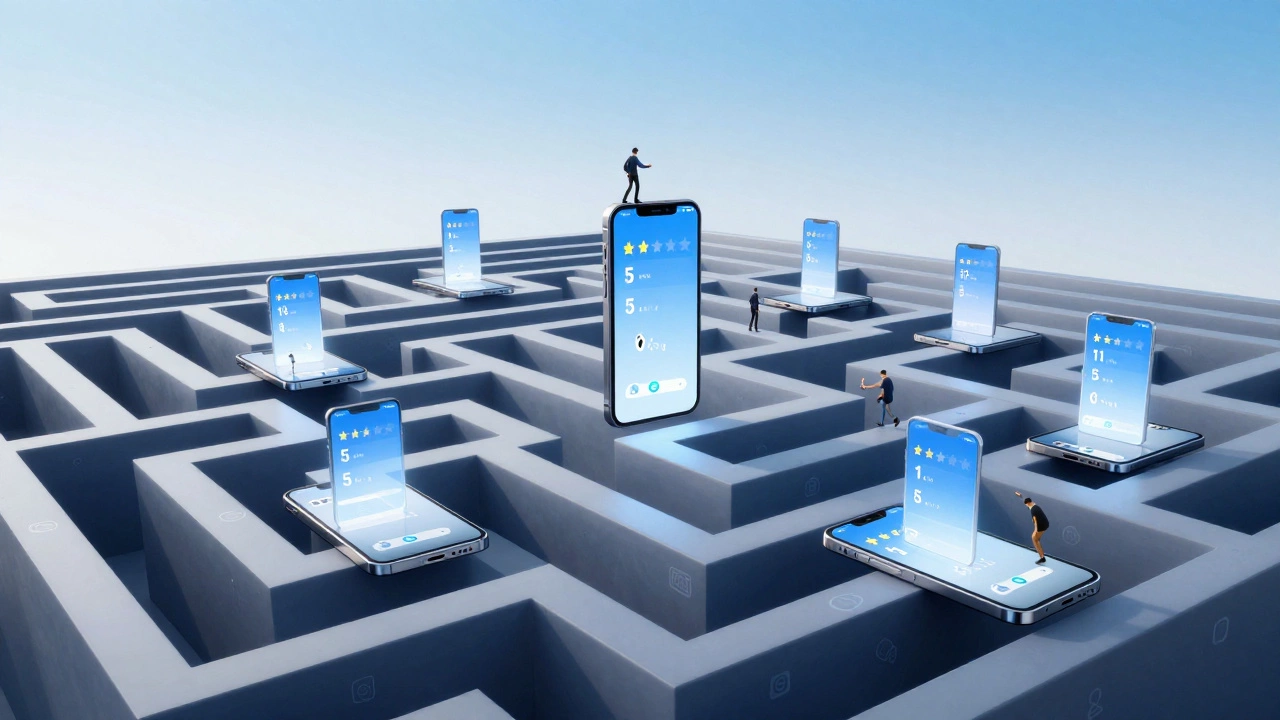
What happens when you stop playing
Lacie, the main character in "Nosedive," doesn’t break the system. She breaks down trying to fix it. She tries to fake kindness. She lies. She begs for ratings. She even tries to hug a stranger on the street just to get a 5. She ends up in a mental hospital-not because she’s insane, but because she refused to pretend anymore. That’s the real horror. You don’t need to be a villain to get trapped. You just need to care too much. In 2025, a 23-year-old woman in Australia took a leave of absence from her job after her mental health declined. She later told a journalist: "I didn’t realize how much I’d tied my self-worth to my LinkedIn endorsements until I stopped getting them. I felt like I’d disappeared." That’s not a mental health crisis. That’s a systemic collapse. "Nosedive" doesn’t show us a future. It shows us what we’ve already built.The quiet rebellion
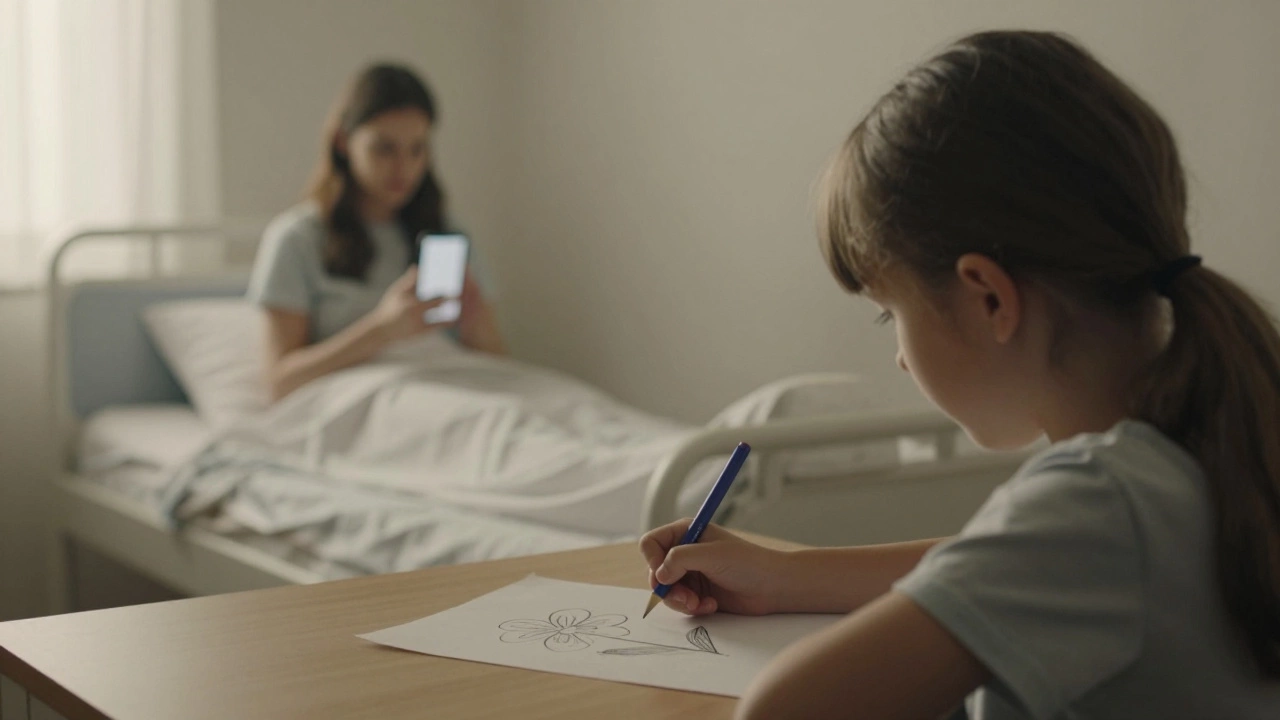
There’s a moment in the episode when Lacie, locked in her cell, watches a child draw a picture of a flower. The child doesn’t care about ratings. The child just draws because it feels good. That’s the only hope the episode offers. In 2026, a growing movement called "Off-Grid Social" is spreading in cities like Auckland, Berlin, and Portland. People are deleting apps. Turning off notifications. Refusing to post vacation pics. One group in Wellington started a "No Ratings, No Rules" café-no Wi-Fi, no Instagrammable decor, no check-ins. Just coffee, conversation, and silence. It’s not a revolution. It’s a whisper. But it’s growing. The most disturbing thing about "Nosedive" isn’t the system. It’s that we’re still choosing to play.