What is Class D Bedding? A Complete Guide to Budget Hospitality Linens
Hospitality Linen Cost Calculator
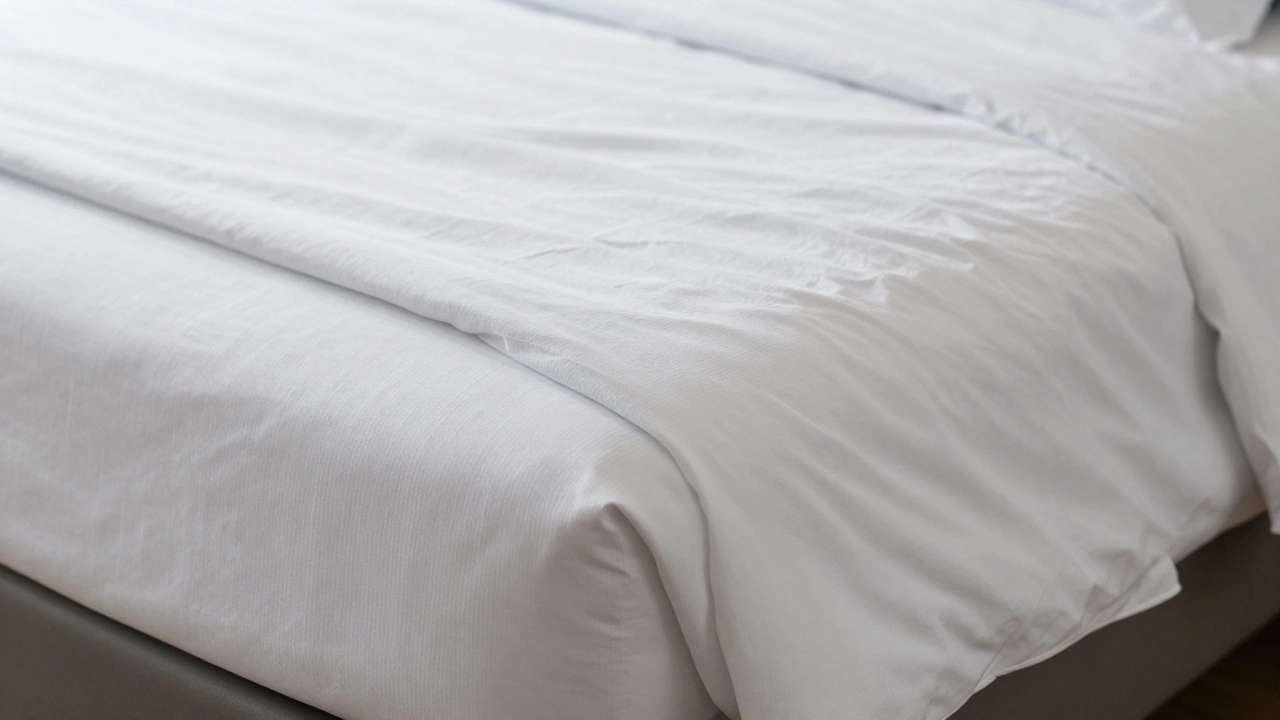
Have you ever slept in a hotel room that felt clean but somehow... cheap? The sheets were thin, the texture was slightly rough, and they didn't feel like the crisp linens you might find at home. You were likely sleeping on Class D bedding. It sounds like a technical term from a laundry manual, but it actually defines a massive chunk of the global hospitality industry. Understanding what Class D bedding is helps explain why your budget motel stay felt different from your luxury resort experience.
Class D bedding isn't about quality in the sense of "good" or "bad." It’s about function, durability, and cost-efficiency. These linens are engineered to survive hundreds of industrial wash cycles while keeping costs low for operators. If you run a hostel, a budget chain hotel, or even a university dormitory, Class D is often your best friend. But if you’re a consumer wondering whether to buy these sheets for your own bedroom, you need to know exactly what you’re getting into.
The Hierarchy of Hospitality Linens
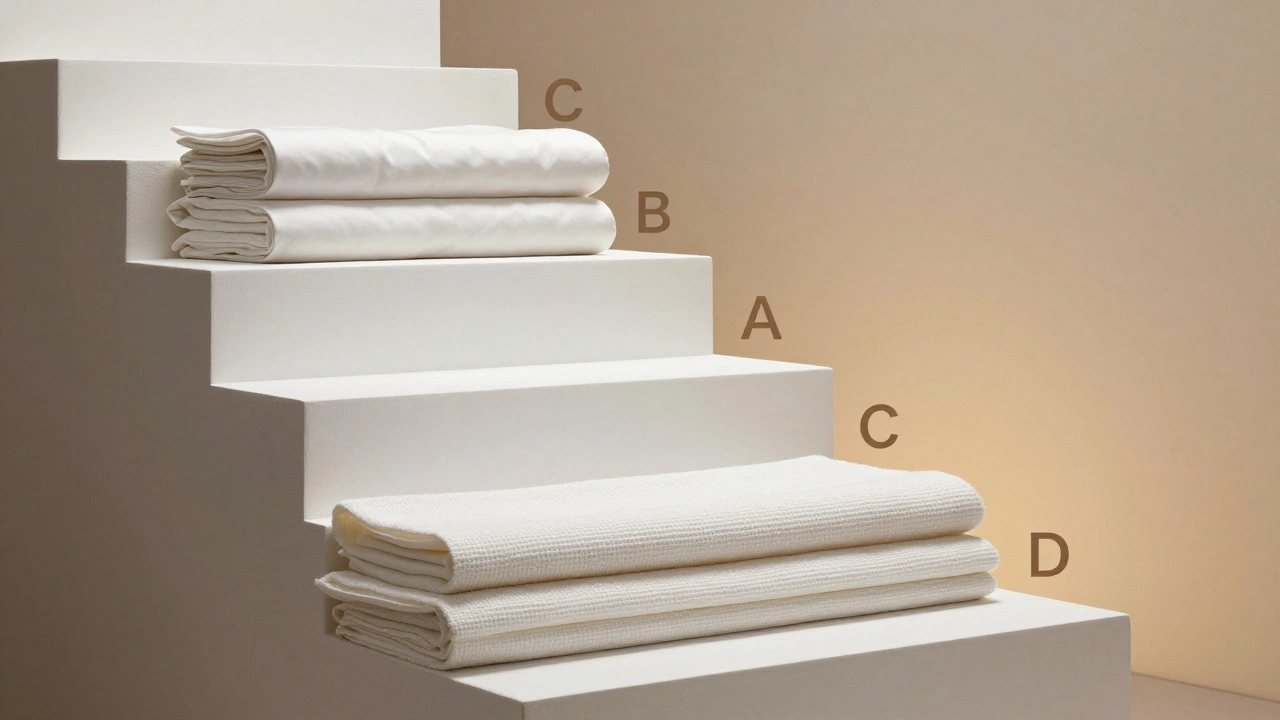
To understand Class D, you first have to look at the bigger picture. The textile industry doesn’t just throw all bedsheets into one bucket. They grade them based on thread count, fabric weight, weave type, and intended lifespan. This grading system usually runs from Class A to Class E, though not every manufacturer uses all five categories consistently.
| Linen Class | Primary Use Case | Thread Count Range | Expected Lifespan (Wash Cycles) | Fabric Feel |
|---|---|---|---|---|
| Class A | Luxury Hotels, High-End Resorts | 300-600+ | 500-1,000+ | Silky, Crisp, Soft |
| Class B | Upscale Business Hotels | 200-300 | 400-700 | Smooth, Durable |
| Class C | Midscale Hotels, Extended Stay | 150-200 | 300-500 | Standard Cotton Feel |
| Class D | Budget Motels, Hostels, Dorms | 100-150 | 200-400 | Stiff, Rougher Texture |
| Class E | Institutional, Temporary Housing | <100 | 100-200 | Thin, Paper-like |
As you can see, Class D sits near the bottom of the ladder. It’s not designed to impress guests with softness. It’s designed to keep the lights on for the business owner by minimizing replacement costs. When you compare Class D to Class A, the difference is stark. Class A sheets use long-staple cotton or high-quality blends to create a smooth surface that feels expensive. Class D relies on shorter fibers and simpler weaves to get the job done quickly and cheaply.
Material Composition: What Is Class D Made Of?
If you pick up a pack of Class D sheets, you won’t find pure Egyptian cotton here. That would be too expensive and too delicate for the harsh reality of commercial laundering. Instead, Class D bedding typically consists of polyester-cotton blends, often with a higher percentage of polyester than cotton. A common ratio is 65% polyester to 35% cotton, or sometimes even 80/20.
Why polyester? Because it’s tough. Polyester fibers resist shrinking, wrinkling, and tearing. In an industrial washer that spins at high speeds and uses hot water and strong chemicals, natural cotton alone might degrade too quickly. By blending in synthetic fibers, manufacturers extend the life of the sheet without having to invest in premium materials.
The weave used in Class D bedding is usually a simple plain weave or a basic percale structure. There’s no sateen weave here, which requires more yarn and creates that slippery, luxurious feel. Plain weave is efficient to produce and strong enough for its purpose. The result is a fabric that looks uniform and clean but lacks the depth and drape of higher-grade linens.
Performance Under Pressure: Durability vs. Comfort
The main selling point of Class D bedding is its ability to withstand abuse. Let’s talk about what that means in practice. A standard home washing machine is gentle compared to the industrial giants used in hotels. Commercial machines use higher temperatures (often above 60°C or 140°F) to kill bacteria and mites. They also use aggressive detergents and bleach solutions.
Class D sheets are treated to handle this environment. They are often pre-shrunk during manufacturing so they don’t distort after the first few washes. They resist pilling, which is when small balls of fiber form on the surface due to friction. For a hostel manager dealing with fifty beds a night, pilling is a nightmare because it makes the sheets look old and dirty, even when they’re freshly laundered.
However, this durability comes at a cost: comfort. The stiffness of the polyester blend means the sheets don’t breathe as well as pure cotton. If you sleep hot, Class D bedding might trap heat against your body. The texture can also feel scratchy, especially if the sheets haven’t been softened with fabric conditioner-a step many commercial laundries skip to save time and money.
Who Uses Class D Bedding and Why?
You won’t find Class D bedding in a five-star hotel lobby suite. Its primary users are businesses where turnover is high and budgets are tight. Here are the most common scenarios:
- Budget Hotel Chains: Brands that compete on price rather than luxury rely on Class D to keep operational costs down. Guests expect cleanliness, not silkiness.
- Hostels and Youth Travelers: Backpackers often share rooms and prioritize location and price over thread count. Class D holds up to frequent use by diverse travelers.
- University Dormitories: Colleges wash bedding dozens of times a semester. They need linens that won’t fall apart after a month of student use.
- Short-Term Rentals (Budget Tier): Some Airbnb hosts who cater to large groups or offer very low nightly rates may opt for Class D to reduce laundry expenses.
- Hospitals and Care Facilities: While medical facilities often have specific infection-control requirements, some non-patient areas or temporary housing units use Class D for its ease of sterilization.
For these operators, the math is simple. If a set of Class D sheets costs $15 and lasts for 300 washes, that’s five cents per use. A set of Class A sheets might cost $60 and last for 600 washes, which is ten cents per use. Over thousands of beds, those pennies add up to significant savings.
Can You Buy Class D Bedding for Home Use?
This is a question I hear often. Since Class D bedding is sold commercially, can regular consumers buy it? Technically, yes. You might find surplus stock online or through wholesale distributors. But should you? Probably not, unless you have a very specific reason.
Imagine buying a work truck for your daily commute. It’s reliable, it’s cheap to fix, and it’ll haul heavy loads. But do you want to sit in it every day? Most people prefer a car with better suspension, quieter engines, and softer seats. Similarly, Class D bedding is built for utility, not pleasure.
If you’re looking for affordable sheets for your home, there are better options. Look for mid-range percale sheets made from 100% cotton or a balanced poly-cotton blend (like 50/50). These will give you the durability of Class D but with significantly improved breathability and softness. You can also soften Class D-style sheets at home by using vinegar in the rinse cycle or avoiding high-heat drying, which hardens synthetic fibers.
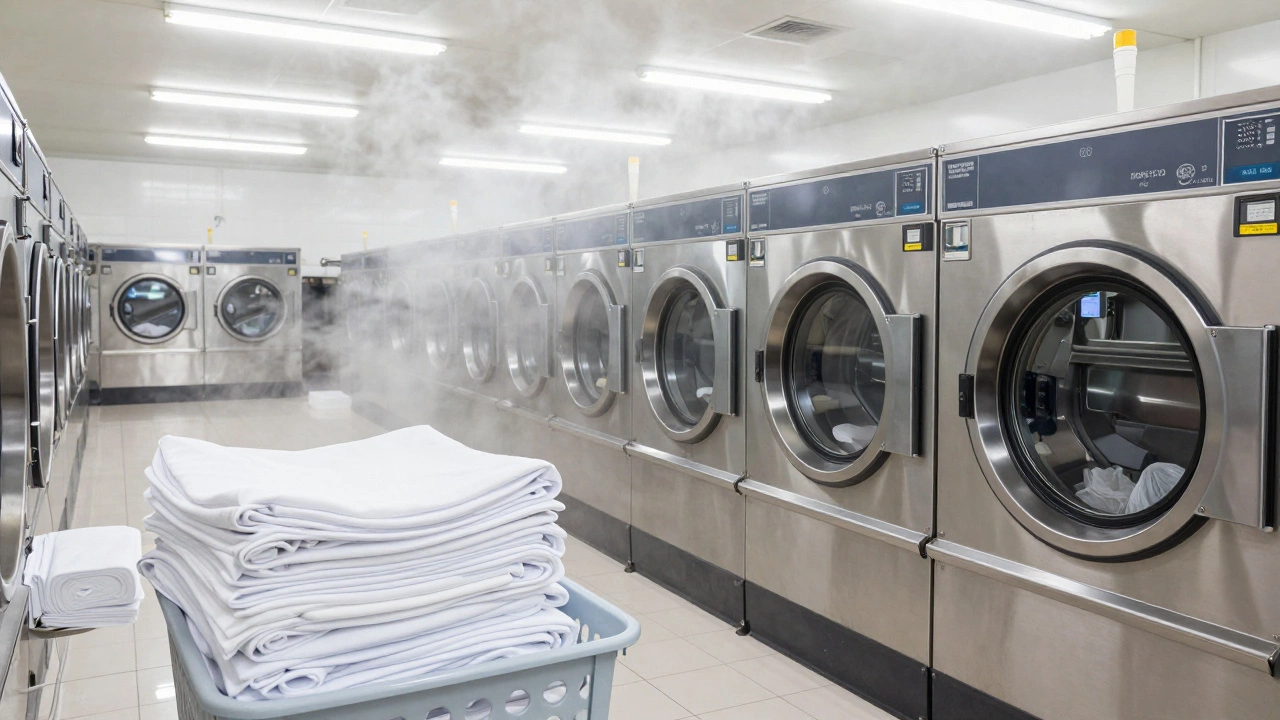
Maintenance Tips for Class D Linens
If you’re managing a property that uses Class D bedding, proper maintenance is key to maximizing their lifespan. Even tough fabrics degrade if mistreated. Here’s how to keep them looking decent for as long as possible:
- Follow Weight Limits: Don’t overload industrial washers. Sheets need room to agitate properly. Overloading causes excessive friction, leading to faster wear and tear.
- Use Correct Chemicals: Avoid excessive bleach. While it sanitizes, it breaks down fibers over time. Use oxygen-based bleaches when possible to preserve fabric integrity.
- Dry Low and Slow: High heat melts polyester fibers slightly, making them brittle. Tumble dry on medium or low heat to maintain flexibility.
- Inspect Regularly: Check for holes, thinning spots, or loose hems. Remove damaged sheets from rotation immediately to prevent further damage to other linens in the wash.
- Store Properly: Keep clean sheets in a dry, cool place. Moisture can lead to mildew, which stains and weakens fabric permanently.
The Environmental Impact of Cheap Linens
We can’t talk about Class D bedding without addressing sustainability. Polyester is a plastic derived from petroleum. It sheds microplastics every time it’s washed, contributing to ocean pollution. Because Class D sheets have a shorter lifespan than higher-quality alternatives, they end up in landfills more frequently.
From an environmental standpoint, buying fewer, higher-quality items is usually better. However, the hospitality industry operates on volume. Switching entirely to organic, long-lasting linens increases upfront costs significantly. Many businesses are now exploring recycled polyester blends or certified sustainable cotton options that bridge the gap between affordability and eco-responsibility. As technology improves, we may see "Green Class D" options that offer similar durability with a lower carbon footprint.
Alternatives to Consider
If Class D doesn’t meet your needs-whether you’re a business owner wanting a slight upgrade or a homeowner seeking value-here are two alternatives worth exploring:
Class C Bedding: Often called the "sweet spot" for mid-scale hotels. It offers better comfort than Class D with only a modest increase in cost. The thread count is higher, and the cotton content is usually greater, providing better airflow.
Home-Grade Percale: For residential use, avoid commercial classifications altogether. Look for 200-400 thread count percale sheets. They are breathable, durable, and get softer with each wash. Brands like Brooklinen or Parachute offer entry-level sets that outperform Class D in every metric except initial price.
Is Class D bedding safe to use?
Yes, Class D bedding is perfectly safe. It meets hygiene and safety standards for commercial use. The materials used, such as polyester and cotton blends, are non-toxic and widely accepted in the textile industry. The main concern is comfort, not health.
How long does Class D bedding last?
Under commercial laundering conditions, Class D bedding typically lasts between 200 to 400 wash cycles. In a home setting with gentler washing, it could last longer, potentially up to 500 cycles, depending on care instructions.
Can you make Class D sheets softer?
You can improve the feel of Class D sheets by using fabric softener or adding white vinegar to the rinse cycle. Avoid high-heat drying, as this stiffens polyester fibers. Washing with dryer balls can also help fluff the fabric and reduce static.
What is the difference between Class D and Class E bedding?
Class E bedding is thinner, lighter, and less durable than Class D. It is often used in temporary housing, emergency shelters, or institutional settings where cost is the absolute priority. Class D offers a balance of low cost and reasonable durability for short-term stays.
Do luxury hotels ever use Class D bedding?
No, luxury hotels almost exclusively use Class A or high-end Class B bedding. Their brand promise includes comfort and quality, which Class D cannot deliver. Using Class D in a luxury setting would damage the guest experience and reputation.