How to Organize a House Full of Clutter: A Step-by-Step Guide
House Decluttering Time Calculator
Estimate how long it will take to declutter your home based on size and clutter level. This tool helps you plan realistic sessions to avoid burnout.
Your Decluttering Plan
hours
weeks
Recommended Strategy:
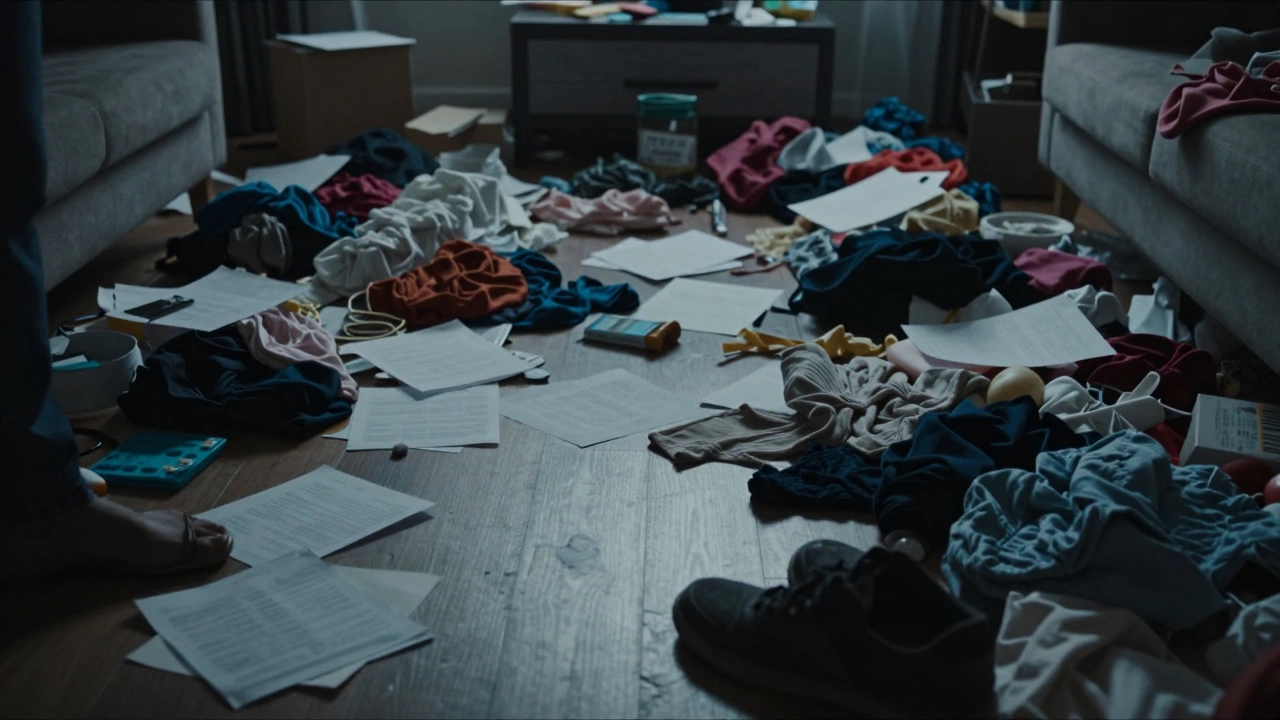
Walking into a room where you can’t see the floor because of piles of clothes, papers, and random objects is stressful. It’s not just messy; it feels heavy. If your house is full of clutter, you probably feel like you’re living in a warehouse rather than a home. The good news? You don’t need a professional organizer or a weekend off to fix this. You just need a system that works for real life.
Organizing a cluttered house isn’t about buying expensive bins. It’s about making decisions. Every item in your home should have a job or a place. If it doesn’t, it’s taking up space you need for breathing room. This guide breaks down exactly how to tackle the mess, room by room, without getting overwhelmed.
Quick Summary: Key Takeaways
- Start small: Pick one drawer or shelf, not an entire room, to avoid burnout.
- The four-box method: Use Keep, Donate, Trash, and Relocate boxes for every session.
- Vertical space matters: Use wall-mounted shelves and hooks to free up floor space.
- Digital clutter counts: Clear your desktop and email inbox alongside physical items.
- Maintenance is key: Spend 10 minutes a day putting things back to prevent future pile-ups.
The Psychology of Clutter: Why We Hold On
Before you touch a single box, understand why the mess is there. Most people don’t hoard because they are lazy. They hold on because of emotion. That old ticket stub? It reminds you of a concert. The broken lamp? You plan to fix it someday. These feelings create mental blocks that make decluttering feel like losing part of yourself.
To organize effectively, you have to separate the object from the memory. Ask yourself: "Does this serve me now?" If the answer is no, it’s blocking your path to a clearer mind. Studies in environmental psychology show that visual clutter competes for your attention, leading to increased stress levels and reduced ability to focus. By clearing the physical space, you clear mental bandwidth.
Clutter is an accumulation of useless or disorganized material that creates visual noise and psychological stress. It often stems from decision fatigue, where the sheer number of choices paralyzes action.Preparation: Setting Up Your Decluttering System
You can’t fight clutter with bare hands. You need tools. Before you start moving furniture, gather these essentials:
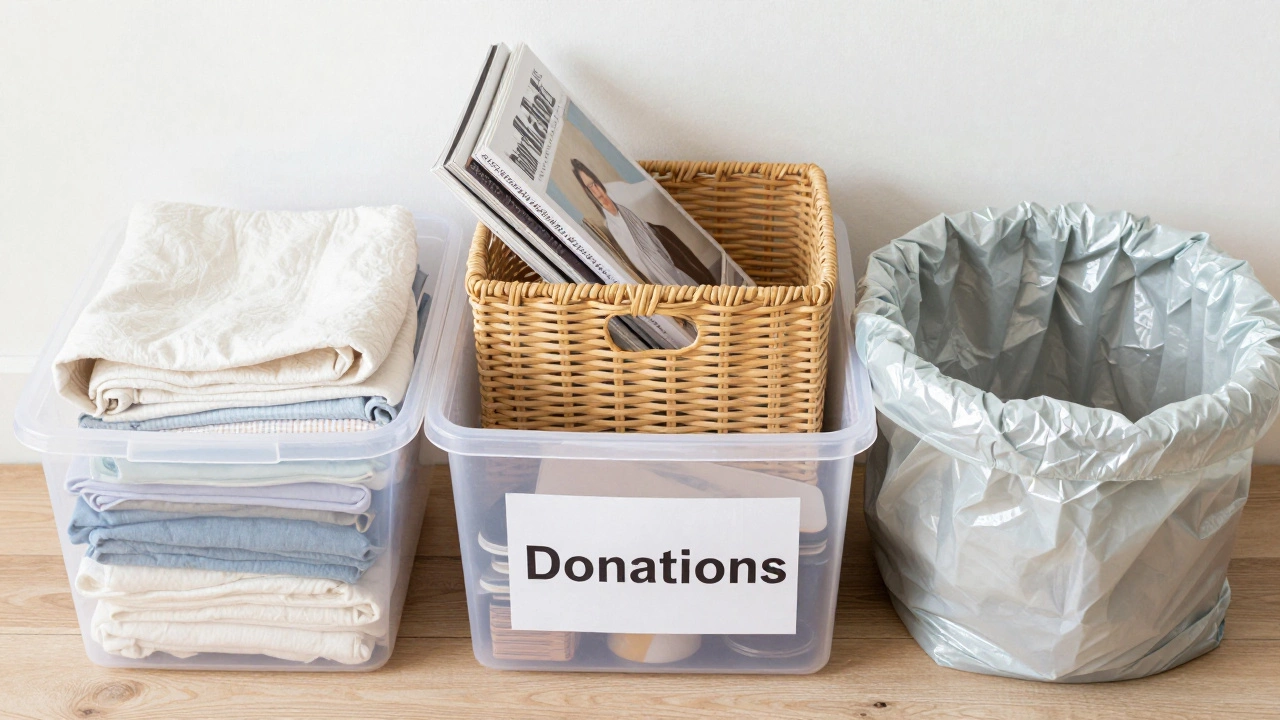
- Four large bags or boxes: Label them clearly: Trash, Donate/Sell, Keep, and Relocate (items that belong in other rooms).
- A timer: Set it for 20-30 minutes. Short bursts prevent exhaustion.
- Cleaning supplies: Once items are removed, surfaces need wiping down.
- Storage containers: Clear plastic bins are better than opaque ones because you can see what’s inside.
Why the "Relocate" box? Because when you’re cleaning the kitchen, you might find a toy that belongs in the bedroom. Instead of stopping to walk it upstairs, put it in the Relocate box. At the end of the session, dump those items in their correct zones. This keeps your momentum going.
Room-by-Room Strategy: Where to Start
Don’t try to do the whole house at once. You’ll quit after two hours. Instead, follow this logical flow based on impact and difficulty.
1. The Entryway: The First Impression
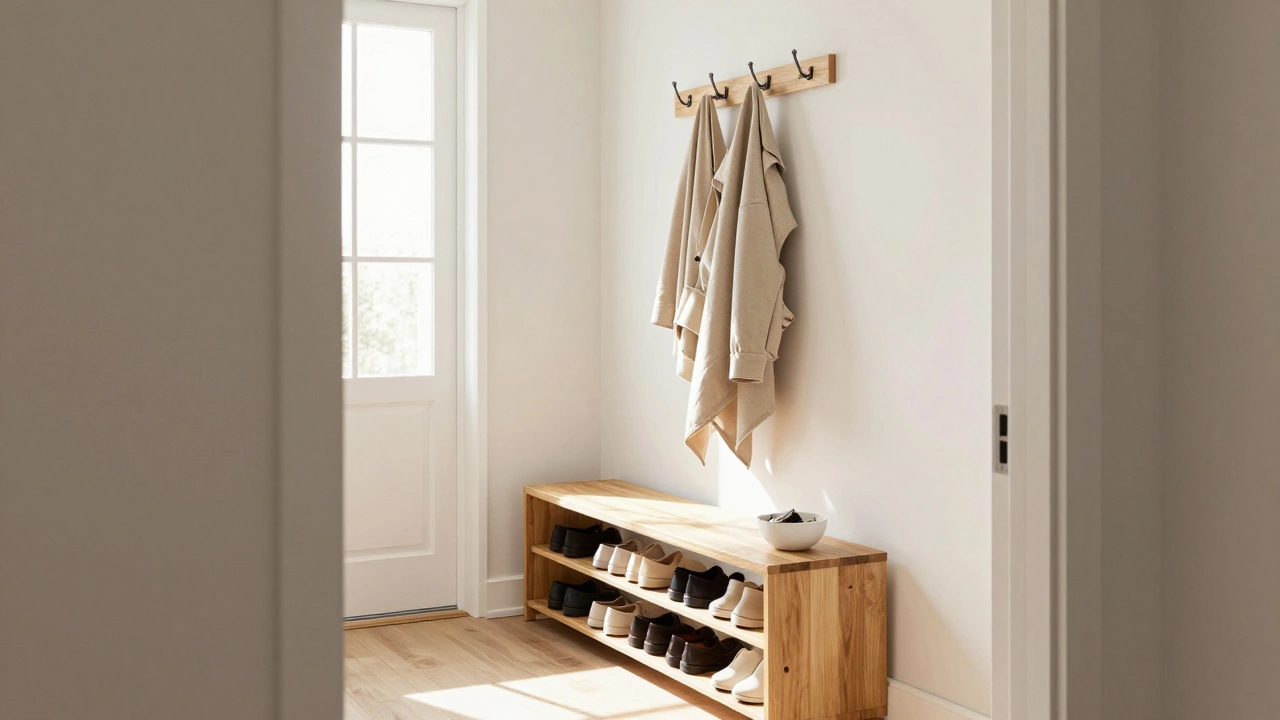
The entryway is the choke point of your home. Shoes, coats, keys, and mail all land here. If this area is chaotic, the rest of the house will feel chaotic too.
- Shoes: Install a shoe rack or use a basket. Limit the number of pairs kept out to what you wear weekly.
- Coats: Hang hooks at different heights for adults and children. Only keep current-season coats accessible.
- Keys and Wallets: Designate a specific bowl or hook near the door. No exceptions.
2. The Kitchen: High-Traffic Zone
Kitchens accumulate junk fast. Expired spices, duplicate utensils, and takeout menus pile up on counters.
- Clear the counters: Remove everything except the coffee maker and toaster (if used daily).
- Check the pantry: Toss expired food. Group similar items together-cans with cans, pasta with pasta.
- Drawers: Empty one drawer completely. Wipe it clean. Put back only what fits comfortably. If you have three spatulas, keep the best one and donate the others.
3. The Bedroom: Sanctuary Space
Your bedroom should be for rest. Clothes piled on chairs break that purpose.
- The Chair Problem: If you have a "clothes chair," get rid of it. Buy a hamper instead.
- Nightstands: Keep only essentials: a lamp, a book, and maybe a glass of water. Remove chargers if possible, or hide them in a small box.
- Under the bed: Use flat storage boxes for off-season clothing or extra linens. Avoid storing sentimental items here as dust accumulates quickly.
4. Living Room: Shared Space
Living rooms suffer from "visual noise." Remote controls, magazines, and toys scatter everywhere.
- Remotes: Use a remote holder or a small tray so they always go back to the same spot.
- Toys: Use low, open bins labeled with pictures for kids. Closed bins encourage dumping; open bins encourage sorting.
- Books and Magazines: Keep only current reads visible. Store the rest on high shelves or donate them.
Smart Storage Solutions That Actually Work
Buying storage is not organizing. But using the right storage helps maintain order. Here are proven strategies:
| Storage Type | Best For | Pros | Cons |
|---|---|---|---|
| Clear Plastic Bins | Linen, Toys, Crafts | Visible contents, stackable | Can look bulky |
| Baskets (Woven/Fabric) | Magazines, Blankets, Remotes | Hides clutter aesthetically | Contents hidden |
| Wall Shelves | Books, Decor, Plants | Frees up floor space | Requires drilling |
| Drawer Dividers | Socks, Cutlery, Stationery | Prevents mixing | Must measure drawers first |
Avoid over-buying. Measure your spaces before purchasing bins. A common mistake is buying tall bins for shallow cabinets. Always choose uniform sizes for stacking efficiency.
Digital Decluttering: The Invisible Mess
We often forget that digital clutter causes stress too. A crowded desktop slows down your computer and your brain. Take 15 minutes to:
- Delete unused apps from your phone.
- Unsubscribe from newsletters you never read.
- Create folders on your computer desktop: "Current Projects," "Reference," "Archive." Move files accordingly.
- Back up photos to the cloud and delete duplicates.
Maintaining Order: The 10-Minute Rule
Organizing is not a one-time event. It’s a habit. To keep your house from falling back into chaos, adopt the 10-minute rule. Every evening, set a timer for 10 minutes. Walk through your main living areas and return misplaced items to their homes. Straighten cushions. Wipe counters. This small daily effort prevents the weekend "cleaning marathon" from ever happening again.
If you find something that doesn’t belong, ask: "Where does this live?" If it has no home, give it one or let it go. Consistency beats intensity.
Common Pitfalls to Avoid
Even with the best intentions, mistakes happen. Watch out for these traps:
- Perfectionism: Don’t wait for the perfect container. Use what you have.
- Emotional Attachment: Remember, keeping a broken item doesn’t honor its past; it hinders your present.
- Skipping Categories: Don’t just sort by room. Sort by category. All books together, even if they are in different rooms, helps you see how much you actually own.
When to Call for Help
If the clutter feels insurmountable, or if you experience anxiety when touching certain items, consider hiring a professional organizer. Look for certified professionals who specialize in decluttering, not just interior design. They provide accountability and objective perspective, which can be invaluable when you’re stuck.
How long does it take to declutter a whole house?
It depends on the size of the home and the level of clutter. For most households, dedicating 1-2 hours per day for 2-4 weeks is realistic. Rushing leads to poor decisions and burnout. Focus on progress, not speed.
What should I do with items I’m unsure about keeping?
Use the "Maybe Box." Place uncertain items in a sealed box with today’s date written on it. Store it out of sight. If you don’t open the box in six months, donate its contents unopened. You likely won’t miss them.
Is it better to declutter alone or with family?
Involve family members in their own spaces. Let kids decide which toys to keep. However, avoid letting others decide for you. Ownership of the decision ensures commitment to maintaining the new system.
How do I handle sentimental items?
Take photos of sentimental items you no longer need physically. Keep a small curated collection (e.g., one box of mementos) rather than displaying everything. Quality over quantity preserves the memory without the clutter.
What if my family resists decluttering?
Lead by example. Start with shared spaces like the kitchen or living room. Show the benefits of less clutter-less time looking for things, easier cleaning. Gradually introduce systems that make participation easy, not burdensome.