Hidden Costs of In-House Storage: Why Your Home Might Be Costing You More
In-House vs. External Storage Cost Calculator
Enter your property details to see if keeping items in-house is costing you more than renting a unit.
Your Property Details
External Storage Options
Financial Breakdown
In-House Opportunity Cost
$0
Capital tied up in unused space
External Rental Cost
$0
Total rent paid over period
Difference:
$0
You bought the house. You organized the garage. You filled every closet with bins labeled "Winter," "Tax Docs," and "Memories." It feels efficient, right? You save money by not renting a unit down the road. But here is the uncomfortable truth: in-house storage often creates more problems than it solves, turning your sanctuary into a warehouse where you pay premium square footage to store things you rarely touch.
We need to talk about the hidden tax of keeping everything under one roof. It isn't just about dust bunnies. It is about opportunity cost, mental load, and real financial hits that don't show up on your utility bill. If you are weighing whether to keep boxes in the attic or rent a climate-controlled unit, this breakdown will help you see what you are actually paying for.
The Opportunity Cost of Every Square Foot
Let's do some quick math. If you live in Auckland, median housing prices hover around NZD $1 million. A standard bedroom might be 12 square meters. If you use that room purely for storage, you have effectively paid over NZD $100,000 (depending on exact location and market fluctuations) for a place to put old clothes and Christmas decorations.
Compare that to a 10-square-meter self-storage unit. Depending on the provider, this might cost you NZD $150-$250 per month. Over five years, that is roughly NZD $9,000-$15,000. Yes, that sounds like a lot until you realize you freed up a room worth six figures that can now be used as a home office, a guest room, or simply an open living space that increases your quality of life.
| Metric | In-Home Storage (1 Bedroom) | External Self-Storage (10m²) |
|---|---|---|
| Initial Capital Outlay | NZD $80,000 - $120,000 (Asset Value) | NZD $0 (Rental Agreement) |
| Monthly Operational Cost | NZD $0 direct cash outflow* | NZD $150 - $250 |
| Opportunity Loss | High (Cannot sell/rent that space easily) | Low (Space remains liquid) |
| Impact on Resale Value | Negative if perceived as cluttered | Neutral |
*Note: While you don't pay rent to yourself, you pay heating, lighting, and cleaning costs proportional to the area used.
Mental Clutter and Cognitive Load
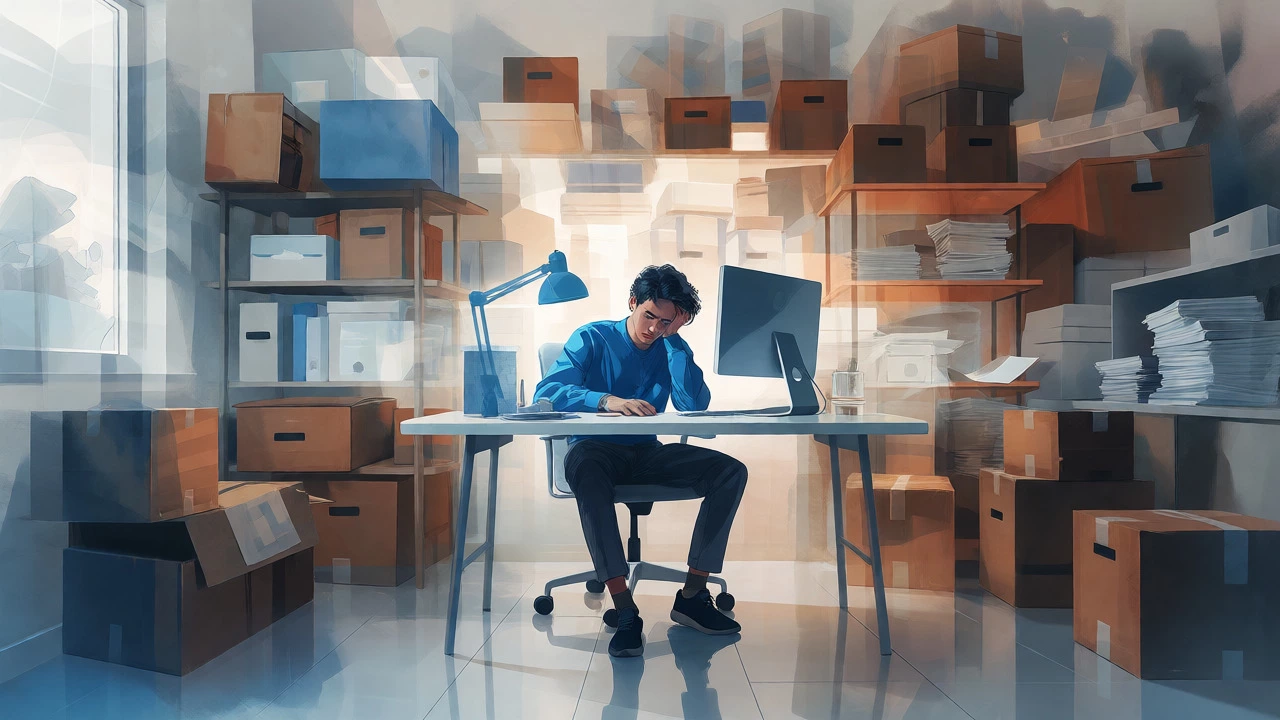
Your brain processes visual information constantly. When your peripheral vision is filled with stacked boxes, unused furniture, and piles of paperwork, your cognitive load increases. Researchers call this "attention residue." You aren't actively looking at the junk, but your brain registers it as unfinished business.
This leads to decision fatigue. Have you ever tried to find a specific document in a messy garage and ended up frustrated enough to give up? That frustration drains energy you could have spent on creative work or relaxation. In-house storage turns your home from a place of rest into a place of management. You become the curator of a museum nobody visits.
External storage removes this visual noise. Walking into a clean, empty spare room feels different than walking into a room blocked by three tall towers of cardboard. The psychological benefit of clear sightlines is immediate and tangible.
Risk Factors: Moisture, Pests, and Damage
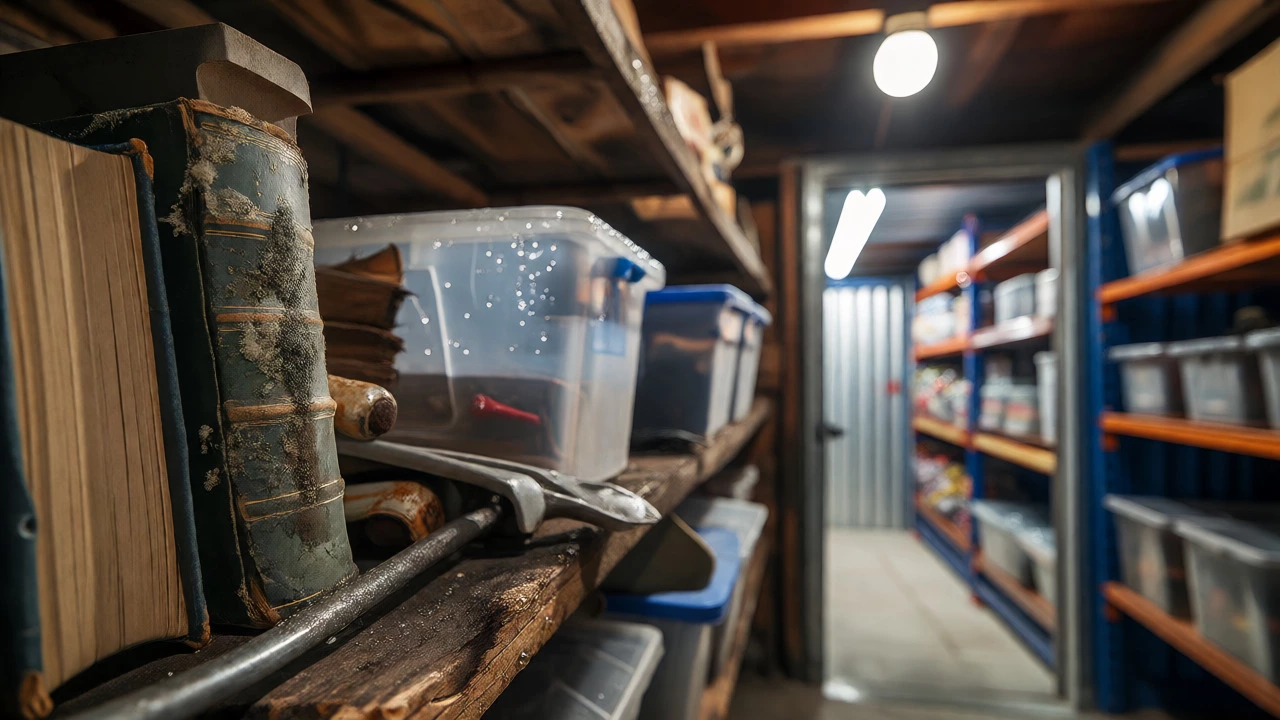
Homes are designed for humans, not necessarily for long-term static storage. Most residential buildings lack proper humidity control in attics, basements, or garages. In New Zealand, dampness is a notorious issue. Without active dehumidification, stored items-especially books, fabrics, and electronics-are prone to mold growth within months.
Consider these common risks:
- Condensation: Cold nights against warm walls create water droplets inside cupboards, warping wood furniture and rusting metal tools.
- Pest Infestation: Mice and silverfish love dark, undisturbed corners. Once they establish a nest in your stored archives, eliminating them without damaging your belongings is difficult and expensive.
- Physical Damage: In-house storage often means stacking heavy items on top of lighter ones. Unlike professional facilities with racking systems, home storage relies on gravity, leading to crushed boxes and broken ceramics.
Professional storage facilities offer climate control and pest management protocols. They monitor temperature and humidity levels 24/7. Your garage does not. If you store sensitive items like wine, artwork, or vintage clothing, in-house storage is often a gamble rather than a strategy.
Safety Hazards and Accessibility Issues
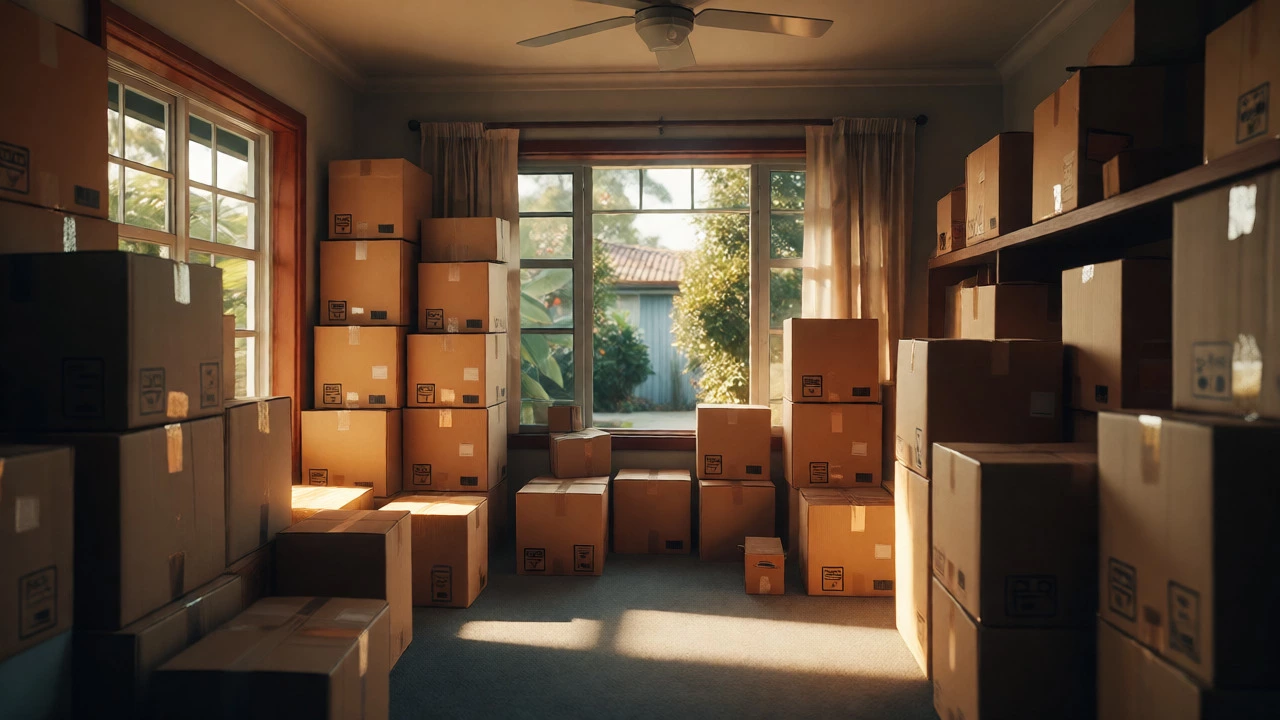
How safe is your current storage setup? If you stack boxes to the ceiling in a narrow hallway, you create a fire hazard and a physical danger zone. One seismic event or accidental bump could send a tower crashing down.
Accessibility is another major drawback. In-house storage is convenient only when you need items infrequently. If you need to access seasonal gear twice a year, it works. But if you need to retrieve documents regularly, the friction becomes annoying. You have to move other items to get to the ones behind them. This "digging" effect discourages retrieval, meaning items stay buried longer, becoming even harder to organize later.
Furthermore, in-house storage limits flexibility. You cannot easily expand your storage footprint without renovating. Renting a larger external unit takes one phone call. Knocking down a wall to create a bigger closet takes weeks of construction, dust, and significant expense.
Impact on Property Value and Marketability
If you plan to sell your home in the next few years, excessive in-house storage can hurt your bottom line. Potential buyers walk through a property looking for potential. They want to imagine their own lives fitting into the spaces.
When they see a second bedroom filled with someone else's accumulated stuff, they don't see "extra storage." They see "cluttered space." They mentally subtract the cost of moving those items out before they can use the room. This perception lowers the perceived value of the property.
Real estate agents often advise staging homes to appear spacious. Removing personal storage allows buyers to visualize the home's full potential. By keeping everything in-house, you are essentially asking buyers to buy your baggage along with the bricks and mortar.
Environmental Impact and Waste Accumulation
Out of sight, out of mind. This phrase explains why we accumulate so much junk. When items are tucked away in the loft, we forget they exist. We stop assessing whether we still need them.
This leads to hoarding behavior by default. Items sit there for decades, deteriorating slowly. Eventually, they end up in landfill because they were too damaged to donate or sell. In-house storage encourages passive accumulation rather than active curation.
External storage forces a bit more intentionality. Because you have to physically go to the facility to drop off or pick up items, you think twice about what you are storing. This friction acts as a filter, reducing overall volume and waste.
When In-House Storage Still Makes Sense
It is not all bad news. In-house storage has its place. It works best for:
- Daily Use Items: Things you need frequently, like coats, shoes, and kitchen appliances.
- Small, High-Value Items: Jewelry, passports, and emergency cash fit perfectly in a small safe or drawer.
- Seasonal Swaps: Light winter blankets or summer beach gear that fits easily in a dedicated linen closet.
The key is proportion. If storage occupies less than 10% of your total floor area, you are likely fine. If it exceeds 20%, you are probably sacrificing livable space for inventory management.
Action Plan: Transitioning to Smart Storage
If you suspect your in-house storage is costing you more than it saves, try this three-step audit:
- The Box Test: Label ten random boxes in your storage areas. Set a timer for two weeks. If you haven't opened them, they are candidates for removal.
- The Value Calculation: Estimate the market rental value of the space your storage occupies. Compare this to local self-storage rates. If the difference is negligible, consider moving bulky items out.
- The Purge: Before moving anything to a new unit, sort items into Keep, Sell, Donate, and Trash. Never move trash to a paid storage unit.
Remember, your home should serve your lifestyle, not just your inventory needs. Sometimes, paying a little extra each month buys you back peace of mind, safety, and valuable living space.
Does in-house storage increase my home insurance premiums?
Not directly, but it can affect coverage limits. Standard policies may have sub-limits for certain categories like jewelry or electronics stored in unsecured areas. Additionally, if a fire occurs due to improper storage of flammable materials (like gasoline cans in the garage), claims might be disputed. Always declare high-value stored items to your insurer.
Is it cheaper to build a shed than rent a storage unit?
Building a secure, insulated shed can cost between NZD $5,000 and $15,000 depending on size and finish. While this seems cheaper than years of rent, you must account for maintenance, council consent fees, and the fact that the structure depreciates. For most people, renting offers better liquidity and lower upfront risk unless you plan to stay in the same house for 15+ years.
How does humidity affect stored items in New Zealand homes?
NZ's temperate maritime climate brings frequent rain and high indoor humidity, especially in older homes without modern insulation. Relative humidity above 60% promotes mold growth on organic materials like paper, leather, and cotton. Attics and garages often fluctuate wildly in temperature, causing condensation cycles that degrade items faster than stable commercial storage units.
Can I store food in my pantry indefinitely?
No. Pantries are prone to pests like moths and weevils. Even sealed containers can develop leaks over time. Furthermore, bulk buying often leads to expiration waste. Rotate stock using the First-In-First-Out method, and avoid storing large quantities of perishables in areas exposed to sunlight or heat sources.
What is the biggest mistake people make with in-home storage?
The biggest mistake is using prime real estate for low-value items. Storing old newspapers or duplicate kitchen gadgets in a main bedroom closet wastes space that could be used for daily living. Reserve prime spots for frequently accessed items and push low-frequency items to less accessible areas or external solutions.