Cheapest Storage Methods: Top Budget Solutions for 2026
Budget Storage Estimator & Selector
Find the cheapest way to store your items. Enter your details below to see which method saves you the most money.
Recommended Solutions
Why this recommendation?
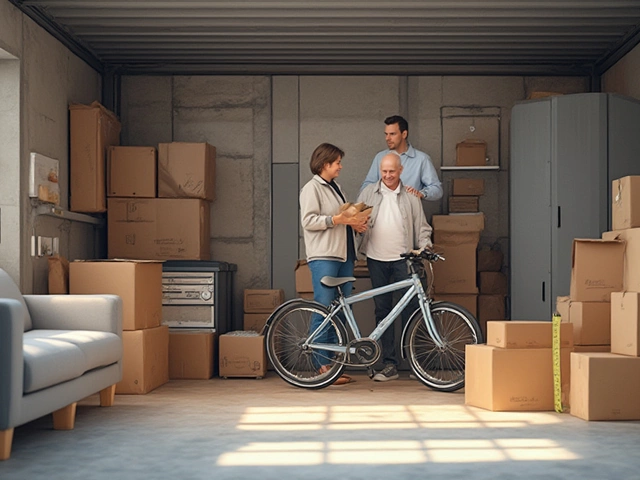
You’re staring at a pile of stuff on your floor, and the first thing that pops into your head is the price tag. Self-storage units in Auckland are averaging around $15-$20 per square foot these days, which adds up fast when you’re just trying to park a few boxes or an old bike. But here’s the kicker: the cheapest method of storage isn’t necessarily a unit you rent. It’s often something you already own, or can grab for under $20.
Let’s cut through the noise. If you want to save money, you need to look at what’s free, what’s cheap, and what actually works without turning your home into a hoarder’s paradise. This guide breaks down real-world options, ranked by cost and practicality, so you can stop paying for space you don’t need.
The Zero-Cost Option: Utilizing Vertical Space
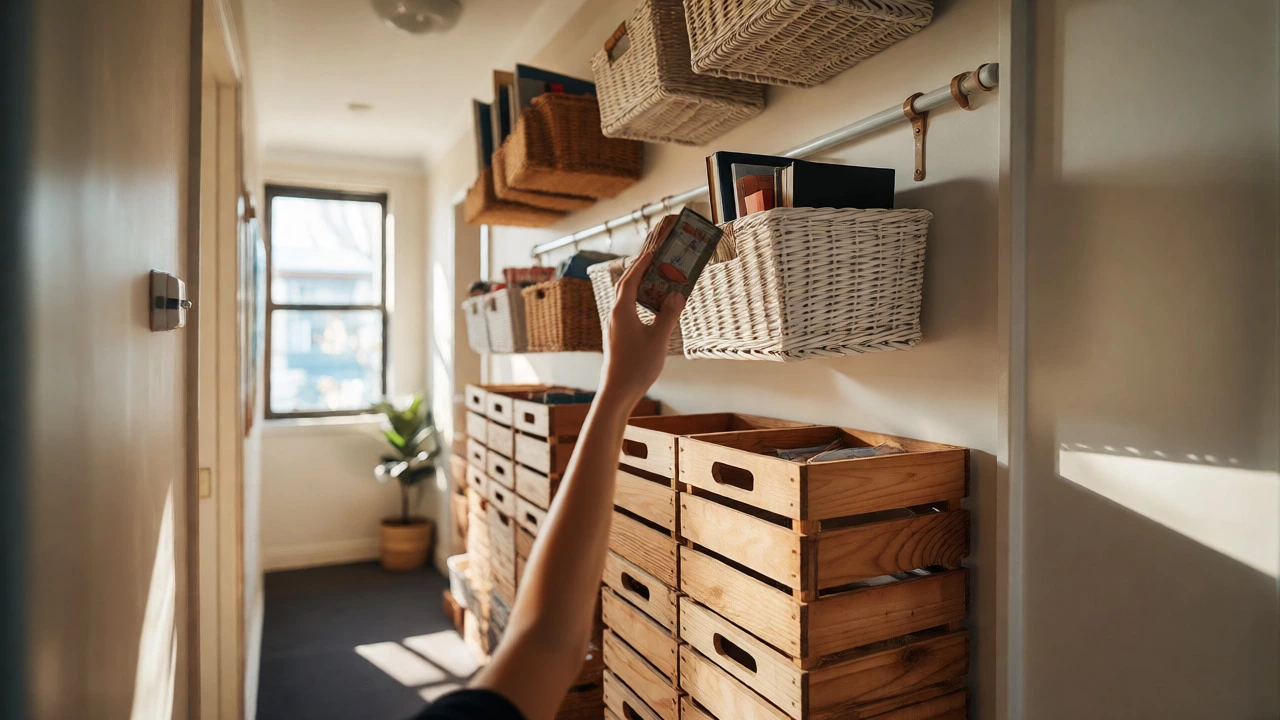
Before you spend a single dollar, look up. Most people only use about 30% of their wall height. By installing simple shelving or using existing furniture creatively, you unlock free storage. In my apartment in Auckland, I turned a plain hallway into a library using nothing but tension rods and baskets. Cost? Zero, because I had the rods from a previous rental.
This method relies on Vertical Storage, which is the practice of maximizing wall height rather than floor area to increase capacity without increasing footprint. It’s ideal for books, shoes, and seasonal decor. The catch? You need sturdy walls. If you live in a rental with plasterboard, you’ll need anchors rated for the weight. A standard drywall anchor holds 10-20 kg, while toggle bolts can handle up to 40 kg. Always check the load rating before hanging heavy bins.
- Tension Rods: Perfect for closets; no drilling required.
- Over-the-Door Organizers: Cheap ($5-$15) and great for small items.
- Stackable Crates: Use empty shoeboxes or wine crates for modular drawers.
The Under-$50 Hero: Plastic Bins vs. Cardboard
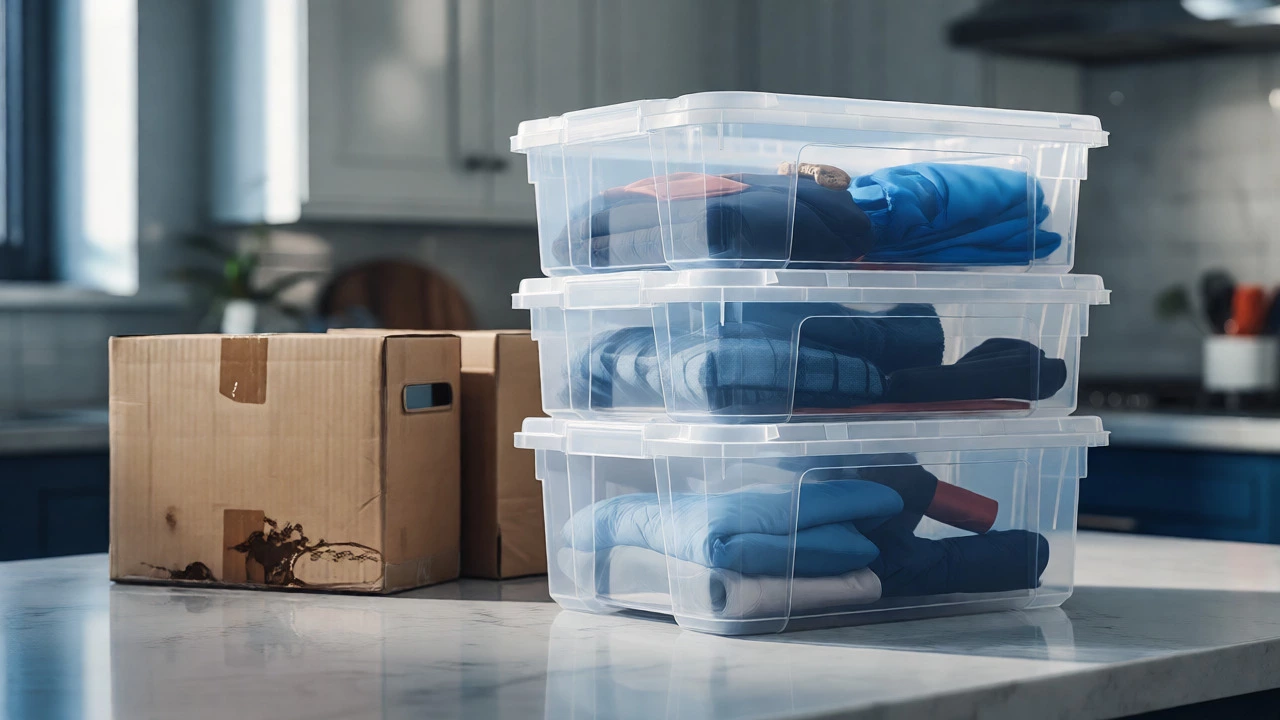
When you do need containers, plastic wins over cardboard every time. Sure, cardboard is free if you scavenge it, but it attracts pests, collapses when damp, and looks messy. Plastic bins, specifically clear ones, let you see what’s inside without opening them. That saves time, which is money in itself.
According to data from major NZ retailers like Mitre 10 and Bunnings, a 70L clear plastic bin costs between $8 and $12. Compare that to self-storage fees, and you’ll see why buying five bins ($50 total) beats renting a 5m² unit ($100+/month). Just make sure they have tight-fitting lids to keep out moisture-a real issue in Auckland’s humid climate.
| Container Type | Avg. Cost (NZD) | Durability | Best For |
|---|---|---|---|
| Cardboard Box | $0 (Free) | Low | Short-term moves |
| Plastic Bin (70L) | $8-$12 | High | Long-term, damp areas |
| Fabric Cube | $10-$15 | Medium | Living rooms, clothes |
| Vacuum Bag | $5-$8 | Medium | Bulky textiles |
Off-Site Storage: When Renting Is Actually Cheaper
Sometimes, your home just doesn’t have the space. Maybe you’re downsizing, or maybe you’ve got a vintage car that won’t fit in the garage. In these cases, renting off-site is necessary. But how do you find the cheapest option?
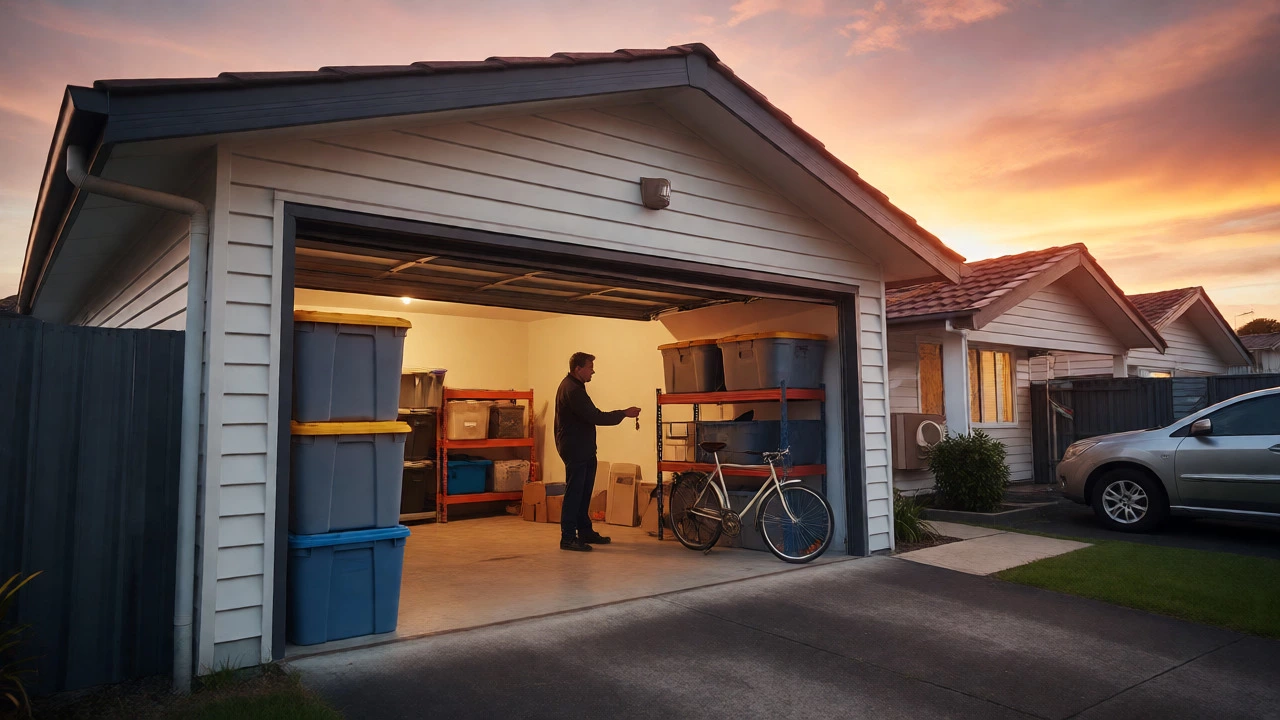
Traditional self-storage facilities charge premium rates for convenience. They’re clean, secure, and close to town. But if you don’t need 24/7 access, consider peer-to-peer storage platforms like StoreFriendly or local Facebook groups. These connect homeowners with spare garages or sheds to renters. Rates can be 30-50% lower than commercial facilities. For example, a private garage in Henderson might cost $80/month, whereas a similar-sized unit at a branded facility could hit $150.
The trade-off? Security and insurance. Private hosts may not offer the same level of protection as a gated facility with CCTV. Always ask about insurance coverage before handing over cash. And never store irreplaceable items in a non-climate-controlled private space unless you’re certain it’s dry.
DIY Hacks: Repurposing Household Items
You’d be surprised how much storage potential hides in plain sight. Old suitcases make excellent under-bed storage for winter clothes. Mason jars hold screws, nails, and craft supplies in the kitchen. Even a ladder can become a bookshelf if you lay planks across the rungs.
One of my favorite tricks is using shower curtain rings to hang measuring tapes, belts, or scarves from a closet rod. It takes two minutes to set up and costs less than $5 for the rings. Another gem: magnetic strips inside cabinet doors. Stick them on, and suddenly your spice jars or tool bits have a home. No more digging through cluttered shelves.
These DIY solutions work best for small, frequent-use items. They reduce friction in your daily routine, making it easier to keep things organized long-term. Plus, they add character to your space-something generic plastic bins rarely do.
What About Climate Control?
If you’re storing electronics, wood furniture, or artwork, humidity is your enemy. Auckland’s dampness can warp wood and rust metal within months. Standard self-storage units often lack proper dehumidification, leading to mold and mildew.
Cheapest climate-controlled options usually come from larger chains like Shurgard or NZ Storage. Expect to pay 20-30% more than standard units. However, if you’re storing sensitive items, this extra cost prevents expensive damage. Alternatively, place silica gel packets in your plastic bins to absorb moisture. A box of 50 packets costs around $10 and lasts six months. It’s a cheap hack that mimics climate control on a micro-scale.
Making the Decision: A Quick Checklist
Choosing the right storage method depends on three factors: cost, accessibility, and item type. Here’s a quick decision tree to help you choose:
- Is it free? Can you use vertical space or repurpose existing items? Start here.
- Is it bulky? If yes, consider vacuum bags or off-site peer-to-peer storage.
- Is it sensitive? Electronics or antiques need climate control; use silica gel or pay for heated units.
- Do you need frequent access? If yes, keep it on-site in labeled bins. If no, go off-site for cheaper rates.
Remember, the cheapest method isn’t always the one with the lowest upfront price. It’s the one that keeps your items safe and accessible without causing stress. Spending $50 on bins that last ten years is smarter than paying $100/month for a unit you barely use.
What is the absolute cheapest way to store items?
The absolute cheapest method is utilizing vertical space in your home with free or low-cost DIY solutions like tension rods, stackable crates, or repurposed furniture. This approach requires no ongoing monthly fees and leverages existing structural assets.
Are plastic bins better than cardboard for storage?
Yes, plastic bins are generally superior for long-term storage. They are durable, moisture-resistant, pest-proof, and transparent, allowing easy identification of contents. While cardboard is free, it degrades quickly in humid environments like Auckland and offers poor protection against insects.
How much does self-storage cost in New Zealand?
As of 2026, average self-storage costs in major NZ cities range from $15 to $25 per square meter per month. Prices vary based on location, unit size, and whether climate control is included. Peer-to-peer options can be 30-50% cheaper.
Can I store items in my garage safely?
Garages are convenient but often unregulated in temperature and humidity. To store items safely, use sealed plastic containers and include desiccants like silica gel packets to prevent mold and rust. Avoid storing paper documents or electronics directly on concrete floors.
What is peer-to-peer storage?
Peer-to-peer storage connects individuals who have unused space (like a garage or shed) with people who need storage. Platforms facilitate the transaction, often resulting in lower costs compared to commercial facilities, though security measures may vary by host.