Can I Renovate My Bathroom for $5000? A Realistic Guide
Bathroom Renovation Budget Calculator
Recommendation
Start adding items to see your budget status.
Is it possible to transform a tired, dated bathroom into a fresh, functional space with just $5000? The short answer is yes. The long answer requires you to pick up a paintbrush, do some demolition yourself, and make smart choices about where you spend your money. In Auckland, where labor costs can easily eat up half of any renovation budget, this amount won’t buy you a full gut job by professionals. But it will get you a stunning cosmetic refresh that looks like a million bucks if you play your cards right.
Renovating on a tight budget isn't about cutting corners on safety or quality; it's about prioritizing impact over expense. You need to focus on the things people see every day-the mirrors, the taps, the tiles-rather than moving walls or changing plumbing lines. This guide breaks down exactly how to stretch that five-thousand-dollar limit to cover materials, essential tools, and maybe a plumber for one tricky job.
The Reality of a $5000 Budget in New Zealand
Before we start shopping, let’s look at the numbers. In 2026, the average cost for a professional bathroom renovation in New Zealand ranges from $15,000 to $30,000. Where does your $5000 go? If you hire a builder for labor alone, you’ll burn through that cash in two weeks. So, the rule here is simple: you are the project manager and the primary laborer. Your time is free, which is your biggest asset.
This budget works best for what experts call a "cosmetic renovation." You aren’t moving the toilet, relocating the shower head, or changing the floor layout. You’re keeping the wet areas where they are and making them look brand new. This approach minimizes the risk of costly mistakes and keeps structural work out of the equation.
- Labor: Zero (You do it)
- Materials: ~$4,000 - $4,500
- Contingency: ~$500 - $1,000
Where to Spend Your Money: High-Impact Upgrades
Not all changes are created equal. Some updates give you a thousand dollars’ worth of visual impact for fifty bucks. Others, like tiling, are expensive and unforgiving. Here is how to allocate your funds for maximum return on investment.
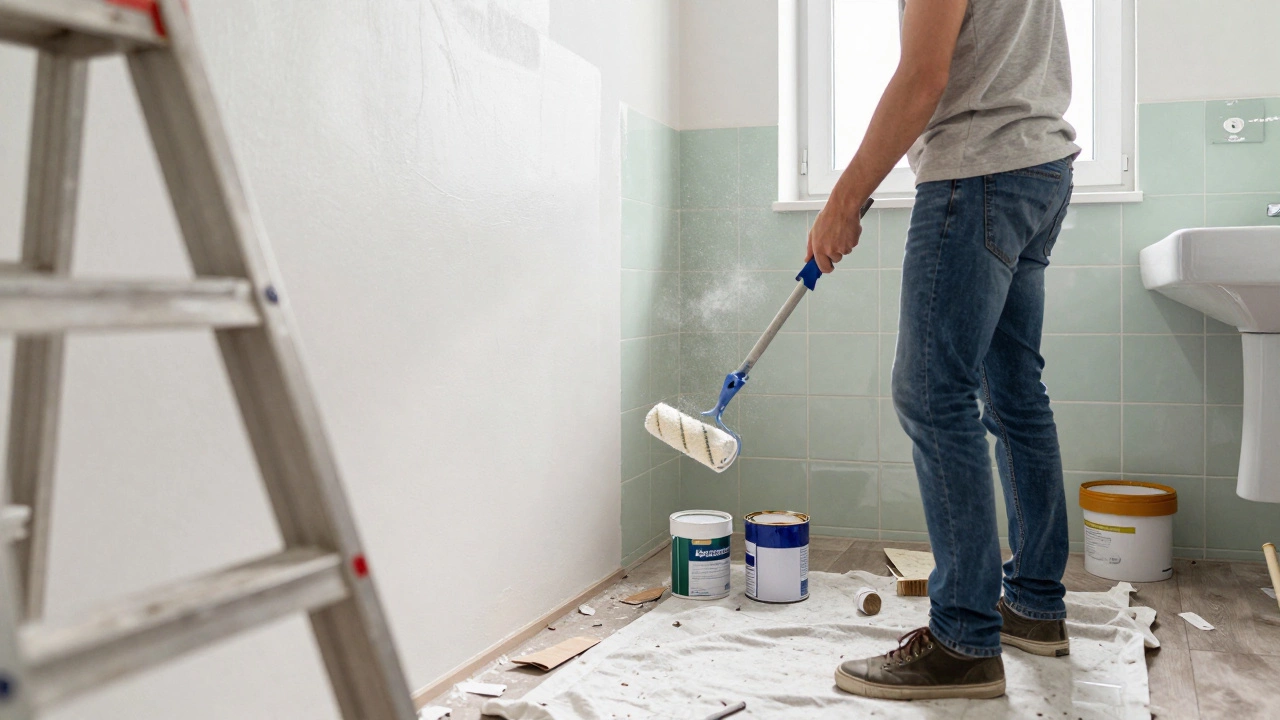
Paint is your best friend. A high-quality moisture-resistant paint can completely change the feel of a room. Instead of drab beige or outdated pastel green, opt for crisp white, soft grey, or even a bold navy blue for an accent wall. Paint costs around $80-$120 per gallon, and you only need two coats. This single step makes old fixtures look cleaner and brighter.
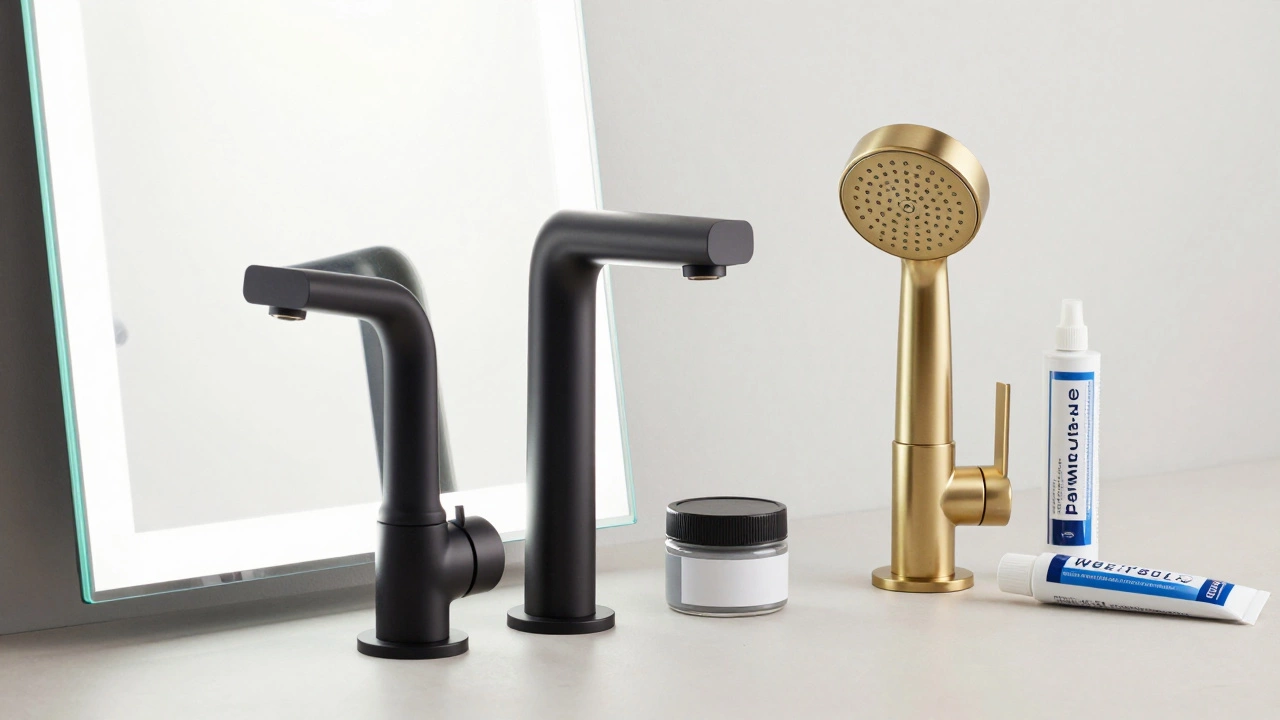
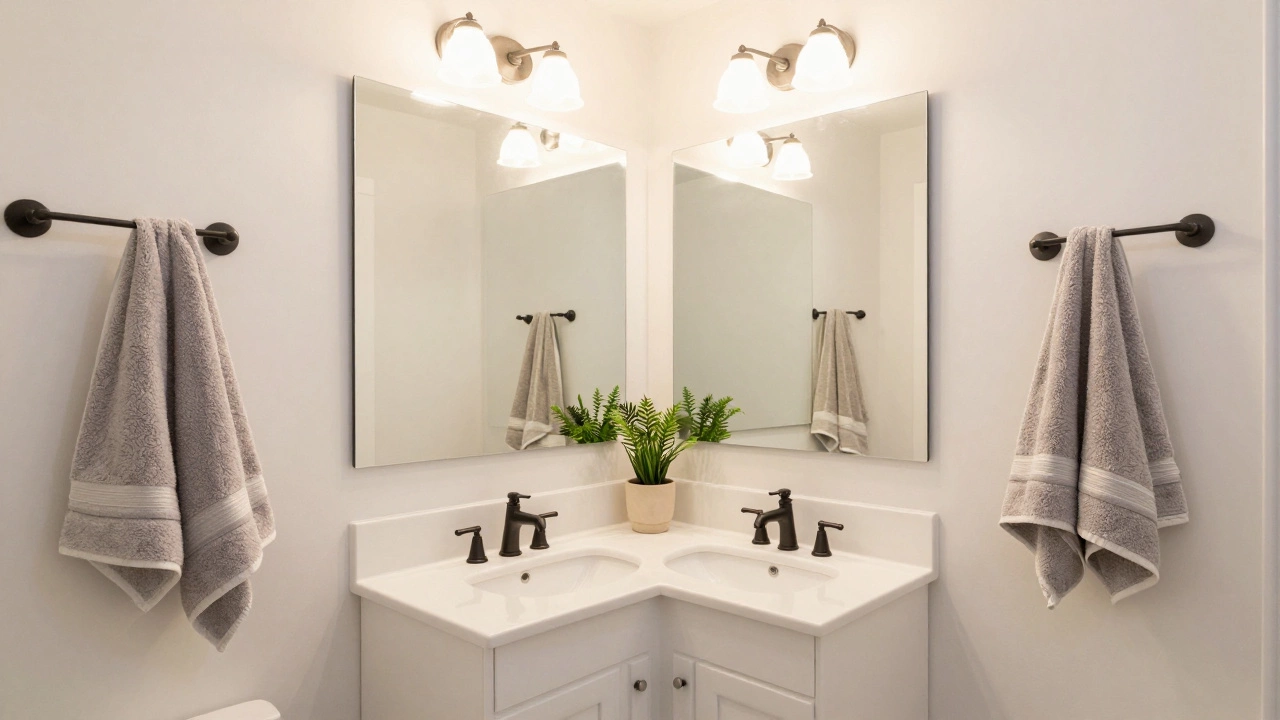
Swap out the hardware. Think of handles, taps, and showerheads as the jewelry of the bathroom. Old chrome fixtures can look dull and scratched. Replacing them with modern matte black or brushed gold finishes instantly updates the space. You don’t need to rip out the pipes behind the wall; most new taps fit standard connections. A good set of mixer taps might cost $150-$300, but they last for years and look premium.
Mirror magic. An old, framed mirror often takes up valuable wall space and reflects poor lighting. Swapping it for a large, frameless mirror or a backlit LED mirror creates the illusion of more space and adds ambient light. These can be found for $100-$250 at local retailers. Just ensure the mounting points align or use toggle bolts for secure installation.
The Tile Dilemma: Grout vs. Replace
Tiling is the most dangerous part of a budget renovation. Removing old tiles is messy, loud, and risky-you might crack the substrate underneath. Installing new tiles requires skill; uneven cuts or poor leveling look terrible. So, should you tile?
If your existing tiles are cracked, loose, or covered in mold that won’t scrub out, you have no choice but to replace them. However, if they are structurally sound but just ugly due to yellowed grout or dated patterns, consider these alternatives:
- Grout Renewal: Products like grout colorants can turn dingy grey grout into crisp white or matching dark tones. It’s cheap ($50-$100) and takes an afternoon.
- Paint Over Tiles: Yes, really. Specialized tile paints exist that adhere to glossy surfaces. It’s not as durable as real tile, so avoid painting inside the shower tray, but it works wonders on splashbacks and lower walls.
- Vinyl Peel-and-Stick: For floors, high-quality vinyl planks can be laid directly over existing tiles (if flat). They’re water-resistant, easy to install, and cost significantly less than ceramic tiling.
If you must re-tile, stick to small areas like the shower niche or a feature strip. Keep the rest painted or refreshed. This hybrid approach saves thousands while still giving you that "new tile" look in key spots.
Lighting: The Unsung Hero
Most bathrooms suffer from harsh, overhead lighting that casts unflattering shadows. Changing your lighting setup is one of the easiest upgrades you can make. Swap out a central ceiling rose for a flush-mount LED panel or a series of recessed downlights if you’re comfortable with basic electrical work.
Add vanity lights beside the mirror for task lighting. This helps with shaving and makeup application without straining your eyes. Dimmable bulbs allow you to switch from bright morning functionality to relaxing evening ambiance. Good lighting makes even inexpensive fixtures look expensive because everything is illuminated clearly and warmly.
| Item | Estimated Cost (NZD) | DIY Difficulty |
|---|---|---|
| Paint & Primer | $200 - $300 | Easy |
| New Taps & Showerhead | $300 - $600 | Medium |
| Mirror & Accessories | $200 - $400 | Easy |
| Toilet Seat & Flush Mechanism | $100 - $200 | Easy |
| Lighting Fixtures | $150 - $300 | Medium |
| Sealant & Adhesives | $50 - $100 | Easy |
| Decor (Rugs, Towels, Plants) | $200 - $400 | N/A |
| Contingency Fund | $500 - $1,000 | N/A |
| Total | $1,700 - $3,300 | - |
Note that this table leaves you with plenty of buffer. If you decide to replace the vanity unit or add a heated towel rail, those costs come from the remaining balance. Always keep that contingency fund intact until the project is signed off.
Essential Tools You’ll Need
You don’t need a professional workshop, but having the right tools prevents frustration and injury. Most homeowners already own basics like screwdrivers and hammers. Here’s what you might need to buy or borrow:
- Adjustable Wrenches: Crucial for removing old taps and shower valves. Get two-one to hold the pipe steady and one to loosen the nut.
- Caulking Gun: For resealing edges around the bath, sink, and shower screen. Old caulk traps moisture and leads to mold.
- Level: Ensures your new mirror and shelves hang straight. Nothing ruins a clean look faster than a crooked shelf.
- Spatula & Scraper: For removing old adhesive or paint residue.
- Safety Gear: Gloves, goggles, and a dust mask are non-negotiable when sanding or scraping.
Renting specialized tools like a tile cutter or drill mixer for a day costs far less than buying them. Check local trade tool libraries in Auckland; they often offer members low-cost access to high-end equipment.
Avoiding Common Pitfalls
Even with a solid plan, things can go wrong. Here’s how to stay on track:
Don’t ignore waterproofing. If you’re replacing tiles in the shower, you must check the waterproof membrane. If it’s compromised, fix it before tiling. Water damage behind walls costs ten times more than a proper renovation. If you’re unsure, hire a specialist for this specific task-it’s worth the extra hundred dollars.
Measure twice, cut once. Especially for vanities and mirrors. Wall studs move, and shelves shift. Verify dimensions multiple times before ordering custom pieces.
Buy in bulk. If you’re buying paint, sealant, or screws, purchase enough for the whole job plus extras. Running to the store mid-project breaks momentum and sometimes incurs delivery fees.
Set realistic timelines. A weekend warrior project usually stretches over three weekends. Paint needs drying time between coats. Sealant needs curing time. Don’t rush steps that require patience.
Final Thoughts on Your $5000 Renovation
Renovating a bathroom for $5000 is absolutely achievable if you embrace the DIY spirit. By focusing on high-impact, low-cost changes like paint, hardware, and lighting, you create a space that feels luxurious without breaking the bank. Remember, perfection isn’t the goal-functionality and aesthetics are. Your bathroom doesn’t need to win a design award; it needs to serve you well and look inviting every morning.
Start small. Pick one area, like the vanity or the shower surround, and tackle it first. See the progress, build confidence, and then move to the next section. With careful planning and a willingness to learn, your $5000 will transform your bathroom into a sanctuary you’re proud to show off.
Can I renovate my bathroom for $5000 including labor?
In New Zealand, hiring professional labor for a full bathroom renovation typically exceeds $10,000. To stay within $5000, you must perform most of the work yourself. You might hire a plumber for complex valve replacements or an electrician for new wiring, but general demolition, painting, and fixture installation should be DIY.
What is the cheapest way to update a bathroom?
The most cost-effective updates are painting walls, replacing hardware (taps, handles), swapping out the mirror, and updating textiles like rugs and towels. These changes require minimal tools and labor, costing under $500 combined, yet they dramatically improve the room’s appearance.
Should I replace my bathtub or just refinish it?
Refinishing or reglazing a bathtub costs significantly less ($300-$800) than replacing it ($1,500+ including installation). If the tub is structurally sound with no cracks or leaks, refinishing is a great budget option. However, if there are deep scratches or damage, replacement may be more durable long-term.
How much does it cost to re-grout bathroom tiles?
Re-grouting a standard bathroom shower area costs between $50 and $150 in materials if you do it yourself. You’ll need grout removal tools, new grout, and sealing products. Hiring a professional can cost $300-$600 depending on the size and complexity of the tiling.
Can I install new tiles over old ones?
Yes, you can install new tiles over old ones provided the existing surface is flat, secure, and clean. Add a cement backer board or use a flexible bonding agent designed for overlay applications. Be mindful of door clearance and floor height changes, which may require trimming doors or adding transition strips.
What bathroom fixtures give the best ROI?
Modern mixer taps, a sleek showerhead, and a frameless mirror offer the highest visual return on investment. These items are highly visible and define the style of the room. Upgrading them from dated brass or plastic to matte black or brushed nickel instantly modernizes the space.
Is it safe to do electrical work in a bathroom myself?
In New Zealand, electrical work in bathrooms is strictly regulated due to safety risks. While replacing light bulbs or plug-in fans is fine, installing hardwired lights, switches, or outlets near water sources should be done by a licensed electrician. Incorrect wiring can lead to electrocution hazards and void home insurance.
How do I prevent mold after a bathroom renovation?
Ensure proper ventilation by using an exhaust fan during and after showers. Apply mildew-resistant paint and silicone sealant around wet areas. Clean surfaces regularly and dry off splashes immediately. Good airflow is critical to preventing mold growth in humid environments.