Best Sofa Manufacturers: How to Choose a Quality Brand for Your Home
Sofa Quality Grade Estimator
Enter the specifications from the manufacturer's product page to see where this sofa falls on the quality spectrum.
Analysis
Select your options to see the result.
Quick Tips for Picking a Winner
- Check the frame: Kiln-dried hardwood beats particle board every time.
- Look at the suspension: Eight-way hand-tied springs are the gold standard for longevity.
- Verify the fabric rub count: Look for a Martindale rating of 20,000+ for daily use.
- Test the density: High-resiliency (HR) foam keeps its shape longer than standard poly-foam.
Identifying the Gold Standard in Manufacturing
When we talk about best sofa manufacturers is companies that prioritize structural integrity over fast-fashion trends, utilizing sustainable hardwoods and high-density materials. To find a brand that actually lasts, you have to look past the showroom lighting. A truly great manufacturer doesn't just sell a look; they sell an engineering standard.
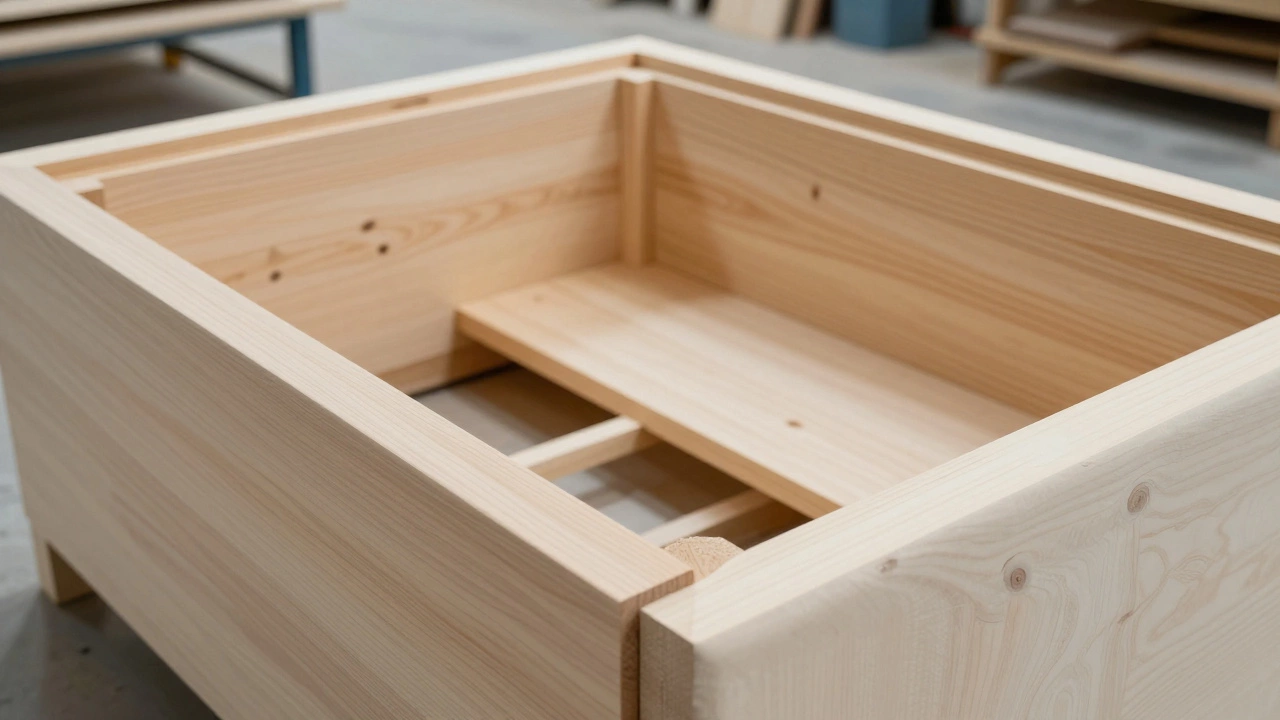
One of the biggest red flags in the industry is the use of "engineered wood," which is often just a fancy word for pressed sawdust and glue. If a brand refuses to tell you exactly what the frame is made of, keep walking. Top-tier makers use Kiln-Dried Hardwood, which is wood treated in an oven to remove moisture. This prevents the frame from warping or cracking as the humidity in your home changes throughout the year. If you're in a place with high moisture, like coastal regions, this is non-negotiable.
The Battle of the Internals: Springs vs. Webbing
The way a sofa supports your weight determines if you'll be replacing it in three years or thirty. You'll generally encounter three types of support systems. First, there's Sinuous Springs, which are S-shaped wires. These are common in mid-range brands and are perfectly fine, but they can lean over time. Then you have webbing, which is basically heavy-duty rubber bands. While comfortable, webbing is the first thing to fail in a cheap sofa.
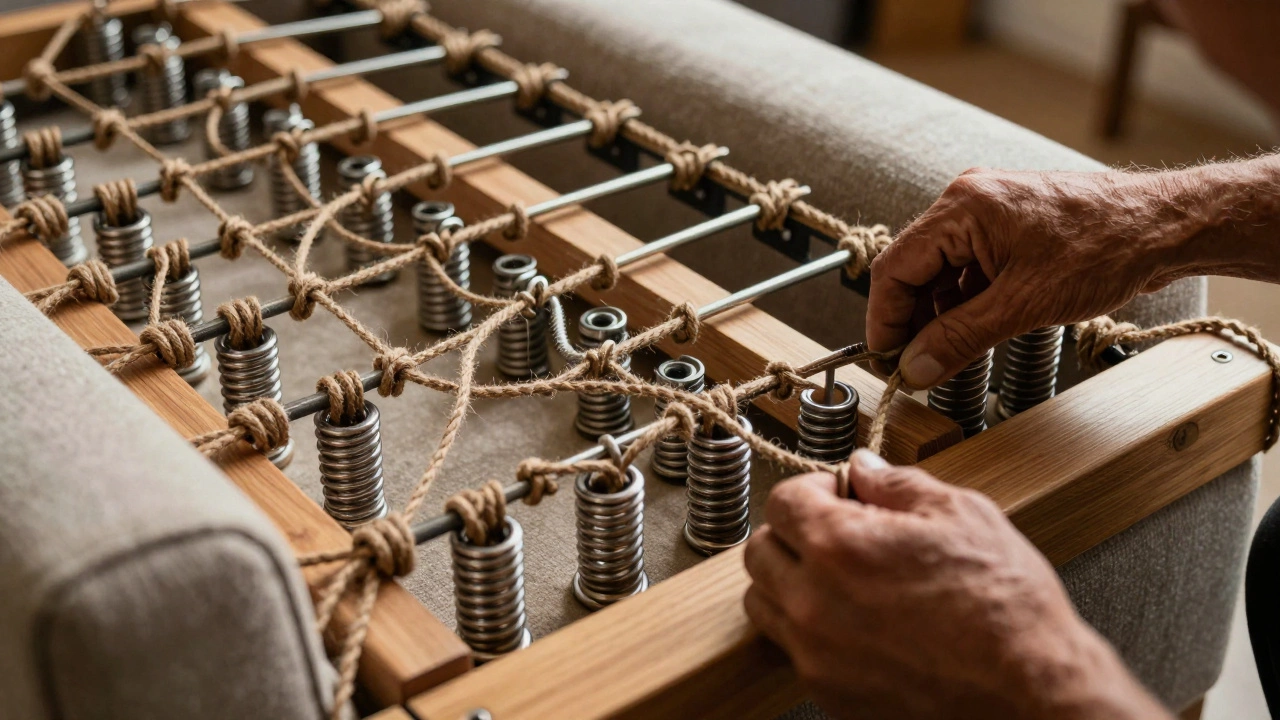
The absolute peak of manufacturing is the Eight-Way Hand-Tied Spring system. This involves springs running in all eight directions, tied by hand to the frame. It's a slow, expensive process, but it creates a seat that doesn't sag and distributes weight evenly. If a manufacturer lists this in their specs, they are likely playing the long game with quality rather than trying to maximize profit margins.
| Feature | Budget Brands | Mid-Range Brands | Luxury Manufacturers |
|---|---|---|---|
| Frame Material | Plywood/Particle Board | Softwood/Mixed Wood | Kiln-Dried Hardwood |
| Suspension | Webbing/Basic Foam | Sinuous Springs | 8-Way Hand-Tied Springs |
| Cushion Core | Low-Density Foam | Medium-Density Foam | HR Foam or Down-Wrapped |
| Expected Lifespan | 2-5 Years | 5-10 Years | 15-25+ Years |
Fabric Choices and the Reality of Wear
You can have the best frame in the world, but if the fabric shreds, the sofa is useless. This is where Performance Fabrics come into play. Many modern manufacturers use synthetic blends that are treated to resist stains and liquids. While great for families with pets or toddlers, these can sometimes feel a bit "plastic-y."
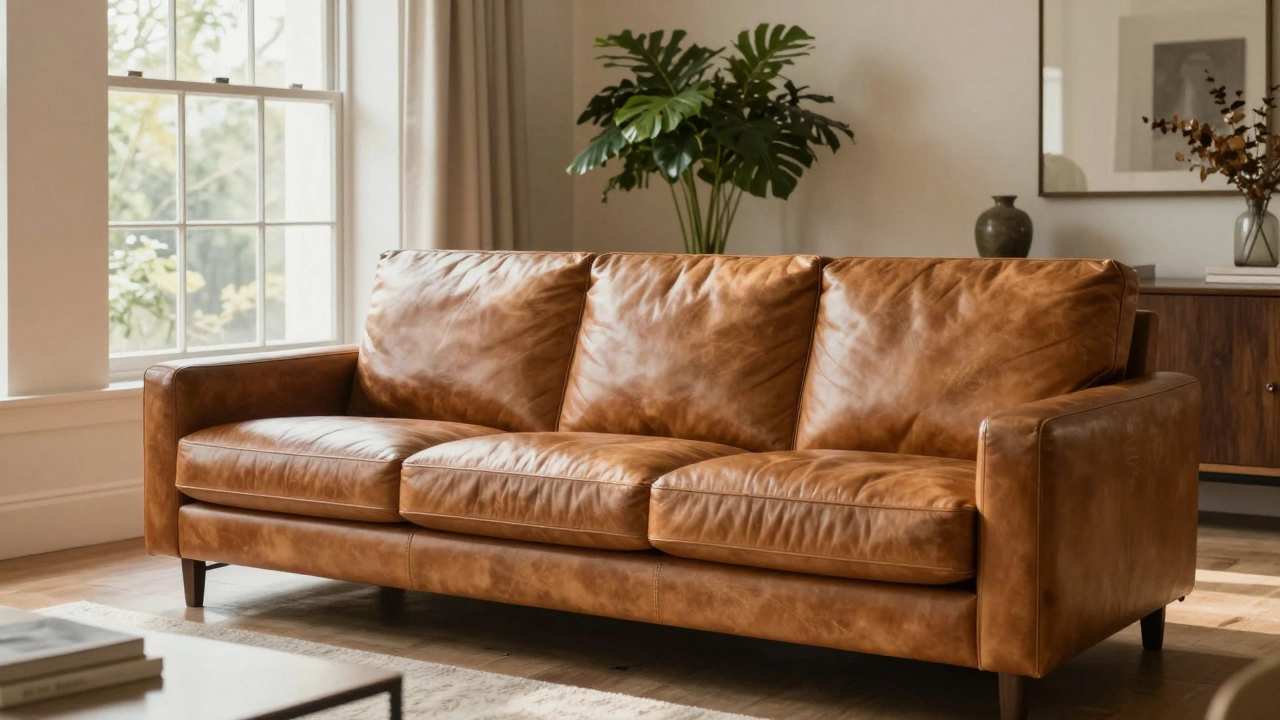
If you want something that ages beautifully, look for Top-Grain Leather. Unlike "bonded leather," which is essentially leather scraps glued together and painted, top-grain leather uses the strongest part of the hide. It develops a patina over time and, if cared for, can actually look better after a decade of use. A reputable manufacturer will be transparent about whether they are using "full-aniline" or "semi-aniline" leather, which tells you how much the hide has been processed and pigmented.
Evaluating the 'Direct-to-Consumer' Trend
Lately, there's been a surge in Sofa-in-a-Box brands. These companies cut out the middleman to lower the price. While the convenience is great, there's a trade-off. To fit a sofa into a box, the manufacturer often has to use modular designs and simplified frames. This usually means more joints and less structural rigidity than a traditional piece of furniture.
If you go this route, check for a "removable cover" feature. Since these sofas are designed for efficiency, the fabric often wears out before the frame does. Being able to swap out a cover or throw it in the wash is a huge advantage. However, if you're looking for an heirloom piece, a traditional manufacturer with a physical showroom-where you can actually feel the tension of the springs-is still the safer bet.
The Sustainability Factor: Is it Truly Green?
Many brands claim to be "eco-friendly," but you have to dig deeper. True sustainability in sofa manufacturing means using FSC-Certified Wood (Forest Stewardship Council), which ensures the timber isn't coming from endangered forests. Avoid brands that use heavy formaldehyde-based glues in their frames, as these off-gas into your living room for years.
Another area to watch is the fill. Many cheaper manufacturers use petroleum-based foams that aren't recyclable and break down quickly. High-end, sustainable brands are shifting toward natural latex or recycled polyester fibers. When a manufacturer mentions "CertiPUR-US" certification, it means the foam is made without ozone depleters or harmful chemicals, which is a baseline requirement for any healthy home.
How to Spot a Quality Manufacturer in Person
If you're visiting a showroom, don't just sit on the sofa for ten seconds. Try the "squeeze test." Grab the arm of the sofa and give it a firm shake. If it wobbles or makes a clicking sound, the joints aren't properly reinforced. Next, feel the bottom of the cushions. If you can feel the springs poking through the fabric, the padding is insufficient.
Ask the salesperson about the "warranty on the frame" specifically. A company that offers a lifetime warranty on the frame but only one year on the fabric is telling you that they trust their engineering more than their cloth. That's a good sign. Avoid companies that offer a generic "limited warranty" without specifying what parts are covered for how long.
How can I tell if a sofa has a hardwood frame?
Check the specifications for "kiln-dried hardwood." If the manufacturer is vague, using terms like "solid wood" or "engineered wood," it's often a sign of lower quality. Hardwood frames are heavier; if you try to lift one end of the sofa and it feels surprisingly light, it's likely made of plywood or particle board.
Is an expensive sofa always better quality?
Not necessarily. You often pay for the brand name, the showroom location, or a trendy designer's signature. A very expensive sofa might have a great fabric but a mediocre sinuous spring system. Always prioritize the frame and suspension specs over the brand's prestige.
What is the best fabric for a house with pets?
Performance fabrics, specifically those made from solution-dyed acrylics, are the best choice. They are woven with the color throughout the fiber, making them incredibly resistant to fading and stains. Micro-suede is also a popular choice because it's durable and easy to spot-clean, though it can attract more hair than tighter weaves.
What does "8-way hand-tied" actually mean?
It means the springs are tied manually to the frame and to each other in eight different directions. This creates a dense, supportive network that prevents the cushions from shifting and ensures the sofa keeps its shape for decades, unlike machine-made springs that can lose tension.
Should I choose leather or fabric?
It depends on your lifestyle. Leather is more durable and hypoallergenic, making it great for allergies and easy cleanup of spills. However, it can feel cold in winter and sticky in summer. Fabric is generally more cozy and offers way more style options, but it's more prone to staining and trapping odors.
Final Thoughts on Your Purchase
At the end of the day, the best manufacturer is the one whose build quality matches your actual usage. If you need a "crash pad" for a gaming room that will be replaced in four years, a direct-to-consumer brand with a decent warranty is plenty. But if you're investing in the center-piece of your home, don't compromise on the frame. Stick to kiln-dried hardwoods and hand-tied springs. Your back-and your wallet-will thank you in ten years.